

Photography Paradise in Yunnan: The Ultimate Itinerary for Photographers & Creators
Table of contents
Recommended reading before you start:
If this is your first time planning a trip to Yunnan, I suggest reading my guide to the 18 must-visit places in Yunnan first. It gives a broad overview of the region and helps you understand how these destinations connect geographically and culturally. This trekking-focused guide builds on that foundation.
Photography Itinerary Overview | Yunnan Photography Paradise
For photographers and content creators, Yunnan is nothing short of a paradise. This carefully designed itinerary covers the province’s most photogenic spots, allowing you to capture iconic landscapes while moving efficiently from one location to the next. The suggested route is:
Kunming → Yuanyang Rice Terraces → Meili Snow Mountain → Shangri-La Grasslands → Lugu Lake → Luoping Canola Fields → Lijiang (Departure)
By following this route, you’ll progress gradually in altitude, giving your body time to acclimate to highland conditions at Meili Snow Mountain and the Shangri-La Grasslands. The itinerary blends five classic landscape types—rice terraces, snow-capped mountains, rolling grasslands, serene lakes, and vibrant flower fields—ensuring a diverse set of photo opportunities. Each stop allows flexible stays, ideal for photography-focused travelers who want to capture sunrises, sunsets, and drone shots, or prefer a slow, contemplative shooting rhythm.
Photography Difficulty & Gear Tips | Yunnan Photography Spots
To help plan your trip, we’ve categorized each stop by photography difficulty:
-
Level 1 – Easy Shooting: Low-altitude locations, minimal walking required.
-
Level 2 – Moderate Shooting: Short hikes or minor altitude adaptation needed.
-
Level 3 – Advanced Shooting: High-altitude sites, longer trekking, or drone operations.
Highland Adaptation & Climate:
-
Gradually increase altitude to avoid altitude sickness.
-
Early morning or late evening shoots require extra energy.
-
Prepare for sun, wind, and sudden temperature drops.
Essential Photography Gear:
-
Must-have: Camera, lenses, tripod, drone (if permitted).
-
Optional: ND filters, portable chargers, sunshade hoods.
-
Avoid: Heavy luggage that limits mobility and spontaneity.
This overview ensures photographers approaching Yunnan photography spots with the right equipment and expectations can fully enjoy a seamless and rewarding experience.
Destination 0 | Kunming (Arrival & Rest Stop)
Role & Purpose: Entry point for international visitors, rest and acclimatization, preparation for the highland photography journey.
Suggested Stay: 1 day
Overview:
Kunming is the international gateway to Yunnan and the starting point of this photography-focused itinerary. This stop is primarily for rest, equipment check, and body adaptation to the highland environment, rather than for shooting core photographic spots.
Transportation:
-
International Flights: Arrive at Kunming Changshui International Airport (KMG), well-connected to major cities worldwide.
-
Domestic Connections: Direct flights from Shanghai, Beijing, Guangzhou, and other Chinese cities; high-speed train or private transfers are available for onward travel to Dali, Yuanyang, or other destinations.
-
Hotel Transfer: Airport taxi, ride-hailing apps (Didi, Ctrip), or hotel shuttle service are reliable and convenient options.
Accommodation Suggestions:
Choose a hotel near the city center or airport for easy check-in, rest, and preparation.
Recommended Stay & Suitable Travelers:
1 day is sufficient. Ideal for all international photographers as a transitional stop to rest, organize gear, and prepare for upcoming highland shoots.
Travel & Preparation Tips:
-
Check your photography gear: camera, lenses, tripod, drone (if permitted).
-
Pack essential items for high-altitude photography: sunscreen, hat, water, and lightweight clothing.
-
Use this time to rest, adjust for jet lag, and mentally prepare for the unique landscapes ahead.
Book Your Flight to KMG
Destination 1 | Yuanyang Rice Terraces – Light, Layers, and Living Landscapes
1. Highlights
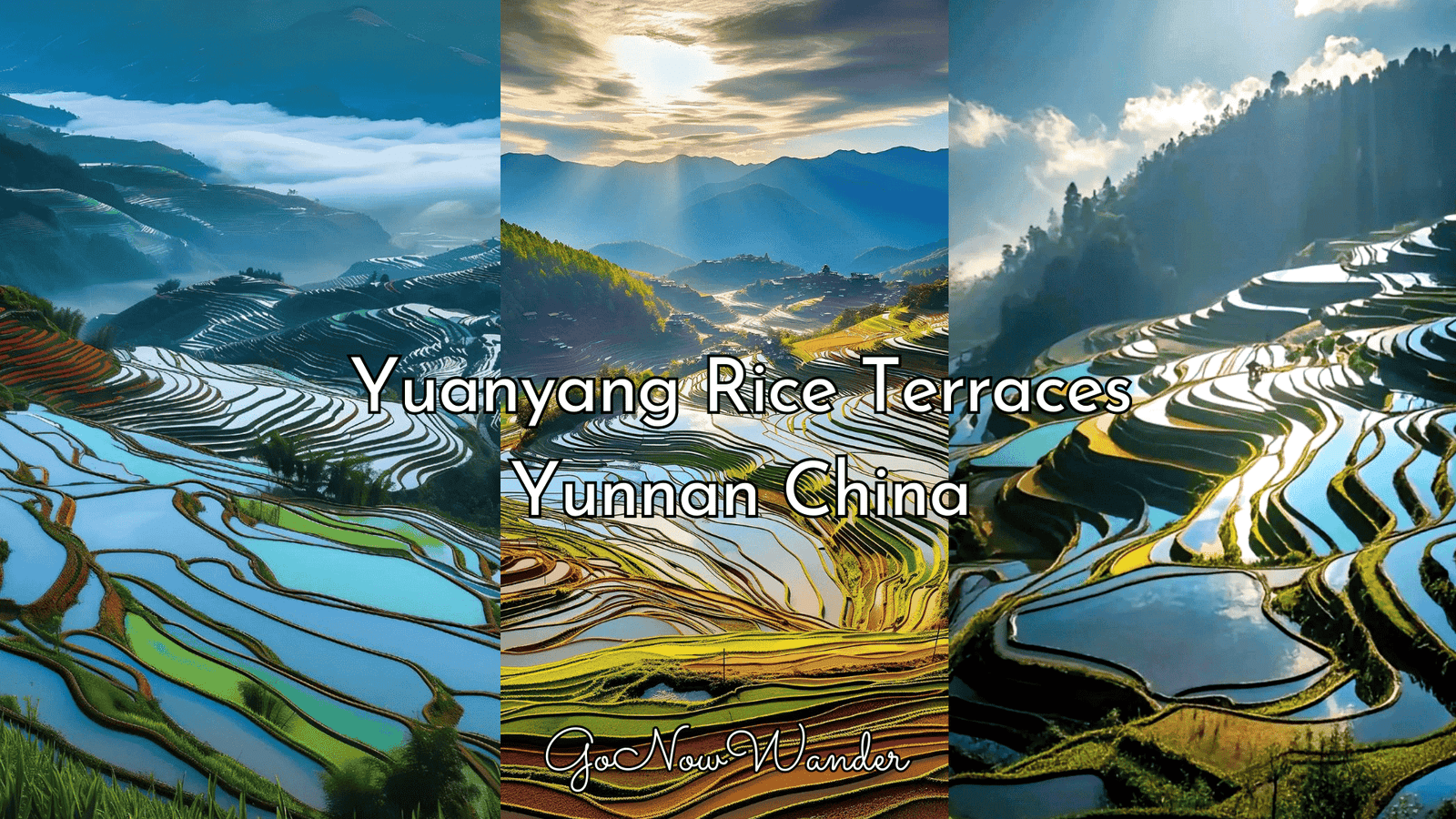
Yuanyang Rice Terraces are one of the most iconic Yunnan photography spots, known for their layered patterns, reflections, and ever-changing light.
This is a destination built for slow photography, where patience is rewarded with dramatic sunrises, mist, and timeless rural scenes.
2. Scenery | Best Season | Must-Do Experiences
Scenery
-
Endless mountain terraces carved by the Hani people
-
Morning mist drifting between layers of rice fields
-
Reflections of sky and clouds during the water-filled season
Best Season for Photography
-
December–February: Peak reflection season, best for sunrise photography
-
March–April: Softer reflections, transitional light
-
May–August: Lush green terraces, fewer reflections but rich textures
Must-Do Experiences
-
Sunrise shooting at multiple viewpoints
-
Slow exploration between villages to capture daily life
-
Drone photography (where permitted) for large-scale compositions
3. Transportation
From Kunming (Most Common Route)
-
High-speed train or flight from Kunming to Mengzi
-
Then private car or taxi from Mengzi to Yuanyang (about 2–3 hours)
Private Transfer (Recommended for Photographers)
-
Hotel-arranged car or pre-booked private transfer
-
Most flexible option for sunrise schedules and gear transport
Public Transport
-
Buses run from Kunming South Bus Station to Yuanyang
-
Slower and less flexible, not ideal for photography-focused travelers
International Visitor Tip:
Pre-arranging transport through your hotel or a trusted platform ensures smoother communication and early-morning departures.
4. Culture & Local Life
Yuanyang is home to the Hani ethnic group, whose terrace-farming traditions date back over a thousand years.
Daily village life, traditional clothing, and agricultural rhythms add a strong cultural layer to landscape photography.
5. Must-Try Local Food
-
Hani-style rice meals
-
Wild mountain vegetables
-
Smoked pork
-
Tofu dishes made with local spring water
-
Simple home-cooked guesthouse meals
6. Accommodation Recommendations
High-End
-
Boutique eco-lodges near Duoyishu or Bada viewpoints
Mid-Range
-
Guesthouses with terrace-facing balconies
-
Photography-friendly inns offering early breakfast
Budget
-
Basic village guesthouses with clean rooms and simple meals
Tip: Stay close to sunrise viewpoints to reduce early-morning travel time.
7. Suggested Stay & Suitable Travelers
Suggested Stay: 2–3 days
Ideal For:
-
Landscape photographers
-
Drone pilots (where allowed)
-
Travelers who enjoy slow mornings and early starts
Not Ideal For:
-
Fast-paced travelers
-
Those uncomfortable with early wake-ups or rural conditions
8. Must-Do Experiences & Hidden Gems
-
Pre-dawn hike to lesser-known viewpoints
-
Shooting after sunrise when mist begins to lift
-
Exploring smaller villages away from main tourist stops
9. Travel Budget Estimate
Mid-range photography budget:
-
Accommodation: 200–500 RMB/night
-
Transport (local & transfers): 150–300 RMB/day
-
Meals: 80–120 RMB/day
Estimated Daily Total: 430–900 RMB
(Private transfers or drone services may increase costs slightly.)
10. Practical Tips
-
Mornings can be cold and damp; dress in layers
-
Fog is part of the experience, not a problem
-
Respect local villages and avoid intrusive photography
-
Mobile signal can be limited in remote areas
11. Best Photography Spots
-
Duoyishu Viewpoint: Classic sunrise reflections
-
Bada Terraces: Wide-angle and sunset potential
-
Laohuzui: Dramatic curves and layered depth
12. Route Connections
-
Yuanyang → Meili Snow Mountain: Transition from terraces to snow peaks
-
Yuanyang → Kunming (Return Option): For shorter photography trips
Destination 2 | Meili Snow Mountain – Chasing the Golden Sunrise on Sacred Peaks
1. Highlights
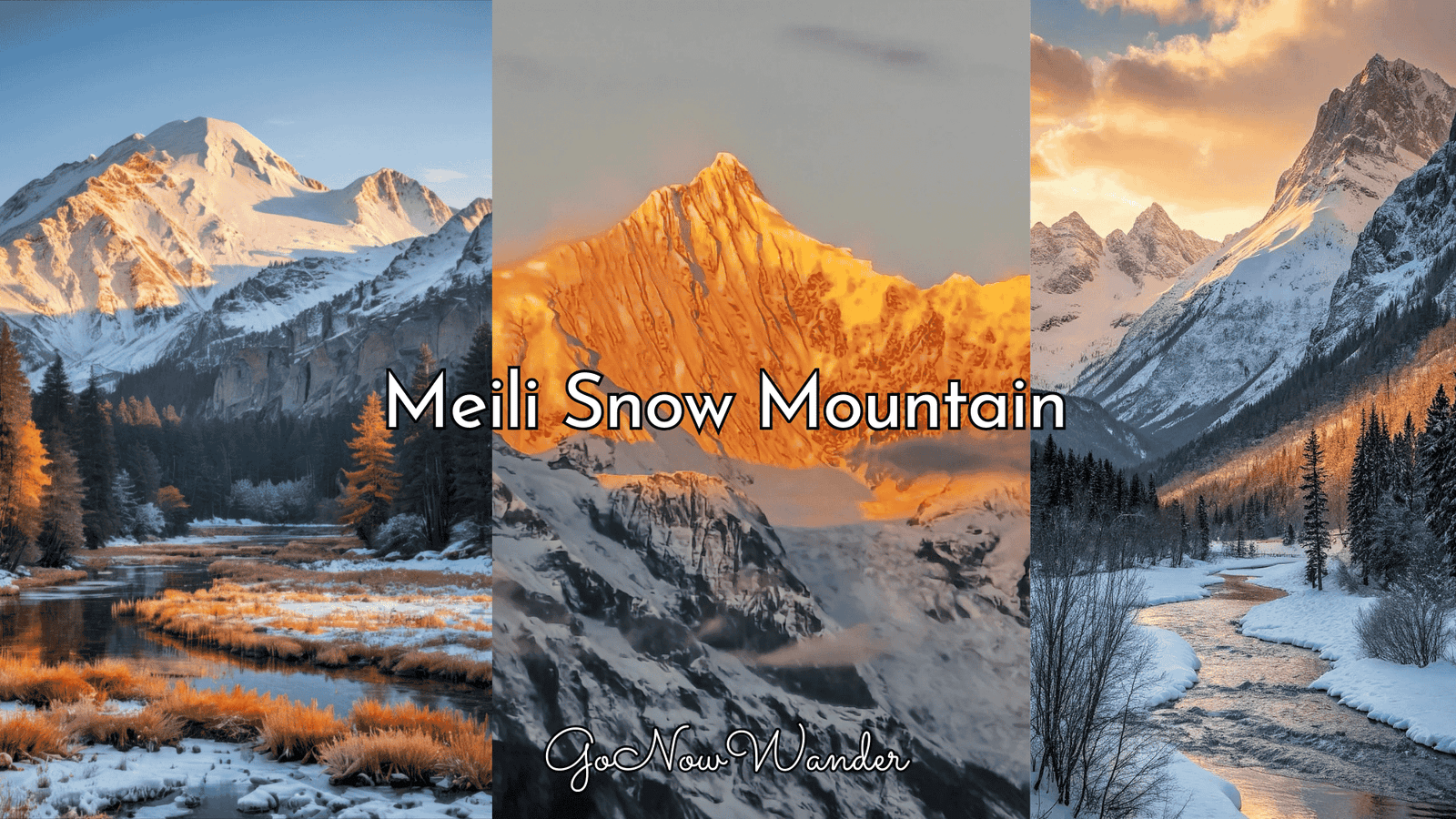
Meili Snow Mountain is one of the most revered and dramatic Yunnan photography spots, famous for its sacred peaks and the legendary “Golden Sunrise” phenomenon.
This is not a place for casual sightseeing. Meili rewards photographers who wait, wake early, and respect the mountain’s rhythm.
2. Scenery | Best Season | Must-Do Experiences
Scenery
-
Kawagebo Peak and its surrounding snow-covered summits
-
Morning clouds rolling beneath the peaks
-
Dramatic light transitions at sunrise
Best Season for Photography
-
October–April: Best visibility and highest chance of golden sunrise
-
December–February: Cold but clearest skies, ideal for photography
-
June–September: Rainy season; visibility is unpredictable
Must-Do Experiences
-
Sunrise photography from Feilai Temple viewing platform
-
Multiple-morning attempts to increase success rate
-
Night sky photography on clear evenings
3. Transportation
From Yuanyang / Kunming (Most Common Route)
-
Travel back to Kunming or Dali by train or flight
-
Fly or bus to Shangri-La
-
Continue by private car or bus to Feilai Temple area (4–5 hours)
From Shangri-La (Recommended)
-
Private transfer: Most flexible and photography-friendly
-
Public bus: Available but limited schedules and less comfort
International Visitor Tip:
Due to early sunrise schedules, pre-arranging transport through your hotel is strongly recommended to avoid language barriers and delays.
4. Culture & Spiritual Significance
Meili Snow Mountain is sacred in Tibetan Buddhism. The main peak, Kawagebo, has never been climbed out of respect for local beliefs.
Photography here is as much about patience and humility as composition.
5. Must-Try Local Food
-
Tibetan butter tea
-
Yak meat dishes
-
Barley-based meals (tsampa-style)
-
Simple guesthouse hotpot
-
Local vegetable soups
6. Accommodation Recommendations
High-End
-
Boutique lodges with direct snow mountain views
Mid-Range
-
Comfortable guesthouses near Feilai Temple
-
Rooms with balconies facing the peaks
Budget
-
Basic Tibetan inns offering clean rooms and heating
Tip: Stay near Feilai Temple to walk to sunrise viewpoints without driving.
7. Suggested Stay & Suitable Travelers
Suggested Stay: 2–3 days
Ideal For:
-
Landscape photographers
-
Sunrise and night-sky shooters
-
Travelers comfortable with cold mornings
Not Ideal For:
-
Travelers on tight schedules
-
Those sensitive to cold or high altitude
8. Must-Do Experiences & Hidden Gems
-
Shooting the same peak across multiple mornings
-
Capturing cloud movement rather than only golden light
-
Evening blue-hour shots when peaks briefly reappear
9. Travel Budget Estimate
Mid-range photography budget:
-
Accommodation: 300–600 RMB/night
-
Transport (Shangri-La ↔ Feilai Temple): 200–400 RMB
-
Meals: 100–150 RMB/day
Estimated Daily Total: 600–1,100 RMB
(Private transfers and extended stays increase costs.)
10. Practical Tips
-
Altitude is higher than Yuanyang; take acclimatization seriously
-
Sunrise success is never guaranteed. Plan at least two mornings
-
Dress for sub-zero temperatures at dawn
-
Respect religious customs; avoid disruptive behavior
11. Best Photography Spots
-
Feilai Temple Viewing Platform: Classic golden sunrise view
-
Roadside Pull-Offs Near Feilai Temple: Flexible compositions
-
Guesthouse Balconies: Quiet, less crowded alternatives
12. Route Connections
-
Meili Snow Mountain → Shangri-La Grasslands: Gradual altitude transition
-
Meili Snow Mountain → Lugu Lake (via Shangri-La): Snow peaks to water landscapes
Destination 3 | Shangri-La Grasslands – Wide Horizons and High-Altitude Light
1. Highlights
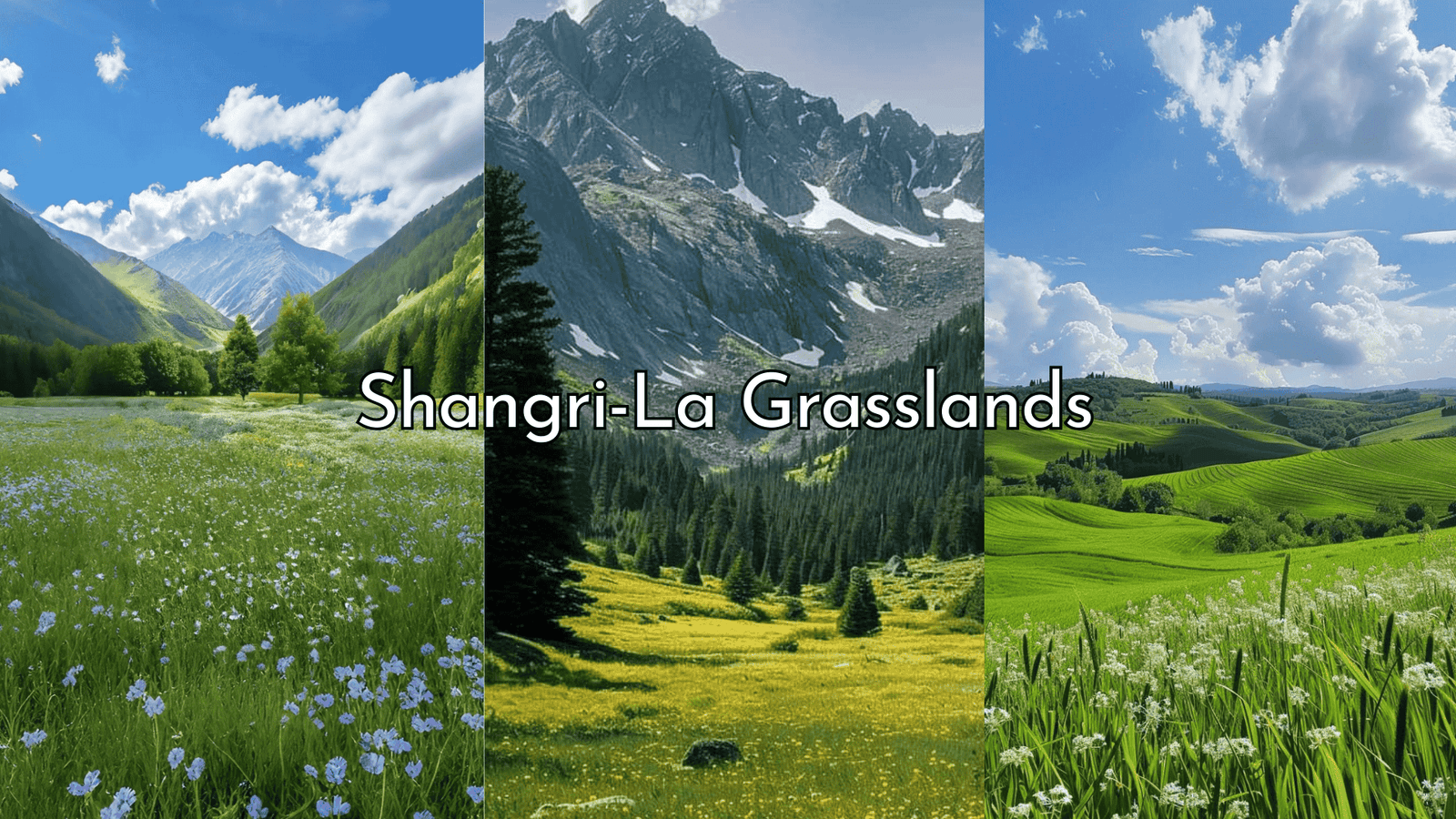
The grasslands around Shangri-La offer some of the most open and cinematic landscapes among all Yunnan photography spots.
Here, photography is about scale and space. Big skies, rolling meadows, grazing yaks, and distant snow peaks create clean, minimalist compositions that feel calm, powerful, and timeless.
2. Scenery | Best Season | Must-Do Experiences
Scenery
-
Vast alpine grasslands stretching to the horizon
-
Yaks, horses, prayer flags, and scattered nomadic tents
-
Snow-capped mountains framing open plains
Best Season for Photography
-
June–September: Lush green grasslands, dramatic clouds, strong contrast
-
October: Golden tones, clear air, excellent visibility
-
Winter: Stark, minimalist scenes with snow and muted colors (weather-dependent)
Must-Do Experiences
-
Sunset photography with long shadows across the grass
-
Cloud-watching and sky-focused compositions
-
Environmental portraits with livestock at a respectful distance
3. Transportation
From Meili Snow Mountain / Deqin
-
Private transfer: approx. 4–5 hours
-
Scenic mountain roads; daylight travel recommended
From Lijiang
-
Public bus or shared transfer: 4–5 hours
-
Private car preferred for flexibility and photo stops
International Visitors Tip:
Shangri-La is one of the most accessible high-altitude hubs in Yunnan. Arrange private transfers through your hotel or trusted platforms to avoid language barriers and to allow sunrise/sunset flexibility.
4. Culture & Human Landscape
These grasslands are part of the Tibetan cultural region. Nomadic life, grazing traditions, and religious elements such as prayer flags naturally integrate into the landscape.
For photographers, the key is restraint. Wide shots that place people within the environment often work better than close portraits.
5. Must-Try Local Food
-
Tibetan-style yak meat dishes
-
Tsampa (roasted barley flour)
-
Butter tea
-
Simple noodle soups adapted to high altitude
-
Yogurt made from yak milk
6. Accommodation Recommendations
High-End
-
Boutique lodges near the grasslands with mountain views
Mid-Range
-
Comfortable hotels on the outskirts of Shangri-La town
Budget
-
Simple guesthouses in town (better heating and access to food)
Tip: Staying just outside town reduces light pollution for night sky photography.
7. Suggested Stay & Suitable Travelers
Suggested Stay: 1–2 days
Ideal For:
-
Landscape photographers focused on scale and light
-
Drone photographers (where permitted)
-
Travelers transitioning to higher-altitude destinations
8. Must-Do Experiences & Hidden Gems
-
Shoot the same grassland at different times of day to capture light changes
-
Include foreground elements like prayer flags or animal tracks for depth
-
Blue-hour photography when the grasslands turn cool and muted
9. Travel Budget Estimate
Mid-range photography budget:
-
Accommodation: 300–600 RMB/night
-
Local transport and short transfers: 100–200 RMB/day
-
Meals: 80–150 RMB/day
Estimated Daily Total: 500–900 RMB
Optional private drivers or guided photo stops may add 200–400 RMB depending on distance and time.
10. Practical Tips
-
Altitude averages 3,200–3,600 meters. Move slowly and hydrate well
-
Weather changes quickly. Always carry windproof and thermal layers
-
Respect grazing land and do not disturb animals for shots
-
Drone use may be restricted near villages or religious sites
11. Best Photography Spots
-
Open grasslands north of Shangri-La town
-
Rolling plains with mountain backdrops at golden hour
-
Isolated prayer flags against wide skies
12. Route Connections
-
Shangri-La Grasslands → Lugu Lake: Transition from open plains to reflective water landscapes
-
Shangri-La Grasslands → Luoping Canola Fields: Shift from minimalism to color-driven compositions
Destination 4 | Lugu Lake – Still Water, Soft Light, Emotional Frames
1. Highlights
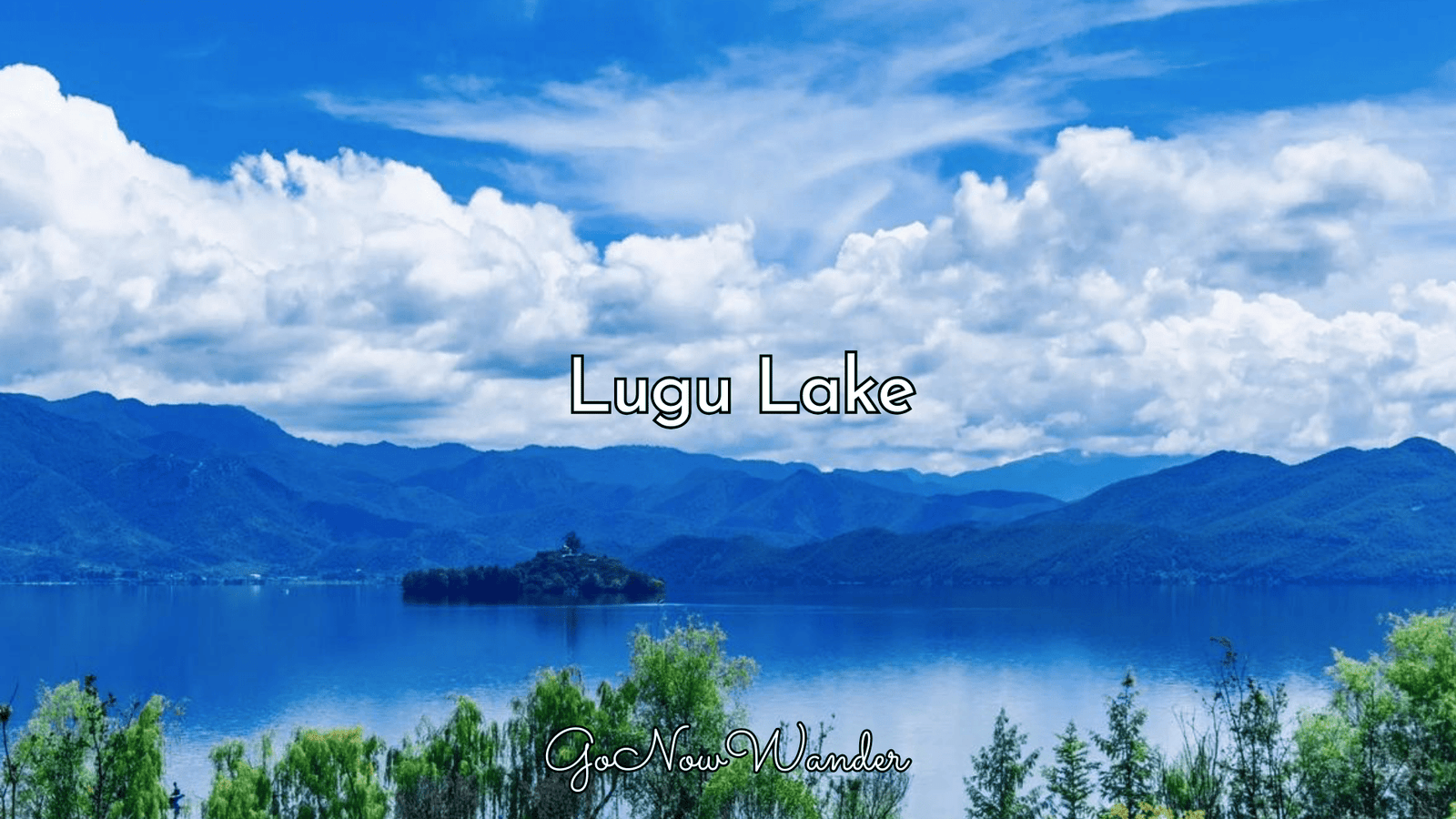
Lugu Lake is one of the most emotionally resonant Yunnan photography spots, known for its glass-like water, gentle light, and quiet rhythm.
This is not a place for dramatic peaks or bold contrasts. It is where stillness, reflection, and subtle human presence become the main subjects.
2. Scenery | Best Season | Must-Do Experiences
Scenery
-
Calm alpine lake surrounded by low mountains
-
Wooden boats drifting across mirror-like water
-
Lakeside villages, morning mist, and soft color transitions
Best Season for Photography
-
April–June: Clear water, fresh greens, soft skies
-
September–October: Stable weather, golden light, fewer tourists
-
Winter: Minimalist scenes with cool tones and light fog (very quiet)
Must-Do Experiences
-
Sunrise photography when the lake surface is perfectly still
-
Long exposures to smooth water and enhance reflections
-
Blue-hour shots with village lights reflected on the lake
3. Transportation
From Shangri-La
-
Private transfer: approx. 5–6 hours (recommended for photographers)
-
Mountain roads; daylight travel strongly advised
From Lijiang
-
Shared shuttle or private car: 4–5 hours
-
Most travelers combine Lugu Lake with Lijiang
International Visitors Tip:
Public transport is limited and slow. Booking a private car or shuttle through your hotel or a trusted platform ensures smoother transfers and allows flexible arrival times for sunset or sunrise shooting.
4. Culture & Human Landscape
Lugu Lake is home to the Mosuo people, known for their matrilineal culture.
For photographers, this adds quiet human context rather than spectacle. Daily life, lakeside routines, and gentle interactions often make stronger frames than staged cultural performances.
5. Must-Try Local Food
-
Grilled lake fish
-
Mosuo-style pork dishes
-
Buckwheat pancakes
-
Local potatoes and seasonal vegetables
-
Simple rice wine (in moderation)
6. Accommodation Recommendations
High-End
-
Boutique lakeside hotels with private balconies and sunrise views
Mid-Range
-
Guesthouses near Lige or Luoshui with lake access
Budget
-
Family-run inns slightly inland (short walks to the lake)
Photography Tip: Prioritize location over room size. Being steps from the water matters more than luxury.
7. Suggested Stay & Suitable Travelers
Suggested Stay: 2 days (minimum 1 sunrise + 1 sunset)
Ideal For:
-
Landscape and lifestyle photographers
-
Content creators focused on mood and storytelling
-
Travelers who prefer quiet environments and slow pacing
8. Must-Do Experiences & Hidden Gems
-
Early morning boat photography before tourist activity begins
-
Shooting reflections on windless mornings (often before 8:00 AM)
-
Minimalist compositions using water, sky, and a single subject
9. Travel Budget Estimate
Mid-range photography budget:
-
Accommodation: 300–700 RMB/night (lake-facing rooms cost more)
-
Local transport & short transfers: 100–200 RMB/day
-
Meals: 80–150 RMB/day
Estimated Daily Total: 500–900 RMB
Private sunrise boat rentals or special transfers may add 100–300 RMB.
10. Practical Tips
-
Weather can shift quickly; mist is common in the morning
-
Keep gear dry. Humidity near the lake is higher than expected
-
Avoid midday shooting when light is flat and reflective glare increases
-
Respect local customs and avoid intrusive close-up photography
11. Best Photography Spots
-
Lige Peninsula at sunrise
-
Quiet lakeside docks before dawn
-
Reflections near Luoshui Village in calm conditions
12. Route Connections
-
Lugu Lake → Luoping Canola Fields: Emotional calm transitions to color-driven compositions
-
Lugu Lake → Lijiang (Exit Point): Ideal closing chapter with urban comforts and flight connections
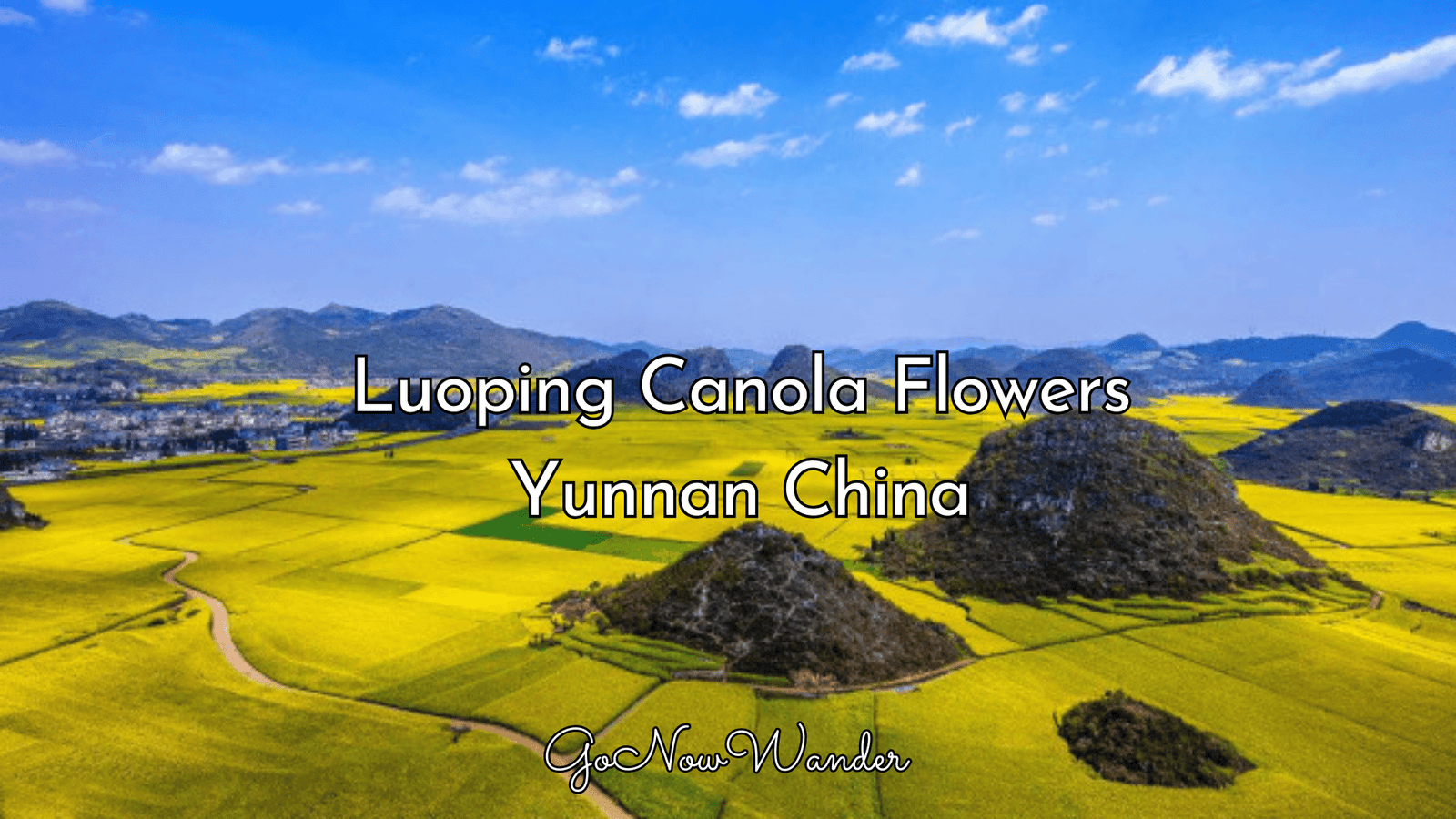
Destination 5 | Luoping Canola Fields – A Sea of Gold in Motion
1. Highlights
Luoping is one of the most iconic best photo locations in Yunnan, famous for its vast canola flower fields unfolding between karst hills.
This destination is all about scale, rhythm, and color. From aerial patterns to intimate foreground details, Luoping offers endless compositional possibilities for photographers.
2. Scenery | Best Season | Must-Do Experiences
Scenery
-
Endless yellow canola fields woven around limestone hills
-
Villages and farm roads cutting through layers of color
-
Morning mist and soft haze creating depth and atmosphere
Best Season for Photography
-
Late February to mid-March (peak season)
-
Flowers in full bloom
-
Best light conditions for sunrise and sunset
-
-
Early mornings offer mist and fewer crowds
-
Late afternoons bring warm, directional light
Must-Do Experiences
-
Sunrise shooting from elevated viewpoints
-
Drone photography (where permitted) to capture geometric patterns
-
Close-up shots using flowers as foreground against karst hills
3. Transportation
From Lugu Lake
-
Lugu Lake → Lijiang (return by private car or shuttle)
-
Lijiang → Kunming (high-speed train or flight)
-
Kunming → Luoping (train or private transfer)
This is the longest transfer of the route, best broken into segments.
From Kunming
-
High-speed train: approx. 2.5–3 hours to Luoping Station
-
Private transfer: 3–4 hours, ideal for photographers with gear
International Visitors Tip:
Luoping is easy to reach once back in Kunming. Trains are reliable, affordable, and foreigner-friendly, making this a smooth final photography stop.
4. Culture & Human Landscape
Luoping is a rural farming region where daily life follows agricultural rhythms.
For photographers, this means authentic scenes: farmers tending fields, early-morning movement, and natural interactions that complement the landscape rather than compete with it.
5. Must-Try Local Food
-
Stir-fried canola greens
-
Rice noodles with local chili oil
-
Farm-style pork dishes
-
Seasonal vegetables cooked simply
-
Fresh tofu specialties
6. Accommodation Recommendations
High-End
-
Scenic countryside lodges near Jinji Peak (limited availability)
Mid-Range
-
Local hotels near main viewing areas
Budget
-
Simple guesthouses in Luoping town
Photography Tip: Stay close to shooting locations to avoid early-morning transport delays.
7. Suggested Stay & Suitable Travelers
Suggested Stay: 1–2 days
Ideal For:
-
Landscape photographers focused on color and scale
-
Drone photographers (with proper awareness of local rules)
-
Creators building seasonal or editorial-style content
8. Must-Do Experiences & Hidden Gems
-
Sunrise at Jinji Peak for layered hills and glowing fields
-
Side-road exploration away from main platforms for cleaner frames
-
Shooting after light rain for richer colors and texture
9. Travel Budget Estimate
Mid-range photography budget:
-
Accommodation: 200–500 RMB/night
-
Local transport (short taxis or hired car): 100–200 RMB/day
-
Meals: 60–120 RMB/day
Estimated Daily Total: 400–800 RMB
Drone operators may need extra time or local coordination.
10. Practical Tips
-
Flower season is short. Timing is critical
-
Weather changes quickly; overcast mornings can still be excellent
-
Respect crops. Avoid stepping into fields for photos
-
Expect crowds during peak bloom, especially mid-morning
11. Best Photography Spots
-
Jinji Peak (sunrise and wide compositions)
-
Niujie Spiral Fields
-
Small village roads cutting through flower seas
12. Route Connections
-
Luoping → Kunming: Easy return for international departure
-
Luoping → Lijiang (via Kunming): Optional loop if extending the trip
Route Combinations | Flexible Photography Itineraries
One of the greatest strengths of this Yunnan photography route is its flexibility. You are not locked into a rigid schedule. Instead, you can scale the journey based on time, physical condition, and photographic ambition.
7-Day Photography Express Route
Yuanyang Rice Terraces → Meili Snow Mountain → Shangri-La Grasslands
-
Focus: sunrise and sunset photography only
-
Ideal for photographers with limited time
-
Prioritizes iconic light moments over full exploration
-
Minimal backtracking, high efficiency
Best for: Landscape photographers chasing signature shots rather than variety.
10–12 Day Standard Photography Route
Yuanyang → Meili → Shangri-La Grasslands → Lugu Lake → Luoping Canola Fields
-
Adds water reflections and seasonal color
-
Balanced rhythm: early mornings + recovery time
-
Allows selective drone and long-exposure work
Best for: Content creators, serious enthusiasts, and photographers building a cohesive Yunnan portfolio.
14-Day Deep Photography Route
Full Route + Extended Sunrise/Sunset Shoots at Each Destination
-
Multiple light attempts at key locations
-
Flexibility for weather windows
-
Space for slow composition, scouting, and repeat framing
Best for: Professional photographers, workshop leaders, or anyone treating photography as the main purpose of the journey.
First-Time High-Altitude Photography? Is This Route Right for You
This Route Is a Good Fit If You:
-
Are comfortable with early mornings and variable weather
-
Have experience shooting landscapes or traveling independently
-
Can walk short distances at altitude without rushing
-
Value light and timing over packed sightseeing schedules
This Route May Not Be Ideal If You:
-
Prefer late starts and relaxed mornings
-
Are highly sensitive to altitude and cold
-
Expect luxury-only experiences at every stop
-
Want fast-paced, attraction-based travel
Alternative Suggestions
If high altitude feels overwhelming, consider focusing on:
-
Yuanyang Rice Terraces
-
Luoping Canola Fields
-
Low-elevation lakes and rural villages
These locations still rank among the best photo locations in Yunnan without the physical strain.
Physical & Mental Preparation
-
Plan fewer shooting points per day
-
Accept that not every sunrise will cooperate
-
Treat missed light as part of the process, not failure
Photography here rewards patience more than endurance.
Pre-Trip Gear & Preparation Checklist (Photography Edition)
Essential Gear
-
Camera body (with backup if possible)
-
Wide-angle and mid-range lenses
-
Tripod (stable enough for wind)
-
Drone (where permitted and legally compliant)
-
Extra batteries and chargers
-
Waterproof camera bag or rain cover
Optional but Useful
-
ND and graduated filters
-
Portable power bank
-
Lens cleaning kit
-
Lightweight headlamp for pre-dawn starts
Not Recommended
-
Overpacking heavy lenses “just in case”
-
Excessive non-photography gear
-
Rigid shooting plans that ignore weather and light
Mobility is more valuable than equipment quantity on this route.
Final Thoughts | Why Yunnan Is a Photographer’s Paradise
Yunnan is not about ticking off landmarks.
It is about waiting for light, reading the weather, and learning to slow down.
From terraced fields and sacred peaks to grasslands, lakes, and flower seas, this region offers a rare combination of diversity and depth. The landscapes are dramatic, but never aggressive. The light is generous, but demands respect.
Photography in Yunnan is not about conquering nature.
It is about standing quietly within it, allowing mountains, water, and color to reveal their own stories.
If you let go of urgency and trust the rhythm of the land, Yunnan will give you frames that stay with you long after the shutter closes.