
The Ultimate Yunnan Hiking Itinerary: A Complete Hiking Route Through Snow Mountains and Gorges
Table of Contents
Recommended reading before you start:
If this is your first time planning a trip to Yunnan, I suggest reading my guide to the 18 must-visit places in Yunnan first. It gives a broad overview of the region and helps you understand how these destinations connect geographically and culturally. This trekking-focused guide builds on that foundation.
Introduction | Measure Yunnan With Your Feet, Not a Checklist
Most people travel Yunnan with a schedule.
This route is for those who travel it with their body.
Yunnan is one of the best regions in China for hiking and adventure travel, not because it is extreme, but because it is layered. Few places in Asia offer such dramatic elevation changes, climate transitions, and terrain diversity within a single journey. From deep river gorges to snow-covered peaks, from subtropical valleys to high Tibetan plateaus, a well-designed Yunnan hiking itinerary feels less like ticking off sights and more like moving through living geography.
What makes hiking in Yunnan special is the way the landscape keeps changing under your feet. You climb, descend, acclimatize, rest, and climb again. The mountains do not demand speed. They ask for patience.
Why Yunnan Is Made for Hiking and Exploration
Unlike classic trekking destinations that revolve around one major trail, Yunnan offers a continuous adventure corridor. Within a single route, you experience:
-
Huge elevation differences that train both lungs and legs
-
Multiple climate zones that shift naturally as you move
-
Landscapes ranging from alpine snowfields to wild river valleys
-
Villages where hiking is not a sport, but a way of life
This is why adventure travel in Yunnan feels immersive rather than performative. You are not chasing summits. You are walking through ecosystems, cultures, and time.
My Perspective as a Traveler
I did not come to Yunnan looking for “extreme challenges.”
As an American who came to China to study Traditional Chinese Medicine, I learned early that balance matters more than intensity. After three journeys through Yunnan, what stayed with me was not how hard the hikes were, but how the mountains invited dialogue. Some days they asked for effort. Other days they asked for restraint.
This route is designed around that philosophy.
It is not about conquering terrain, but about listening to it.
Who This Route Is For (and Who It Is Not)
This Yunnan adventure travel itinerary is ideal if you:
-
Enjoy hiking and multi-day walking routes
-
Appreciate nature, photography, and remote landscapes
-
Want a structured route without rushing or backtracking
-
Are comfortable with moderate physical challenges
This route may not be suitable if you:
-
Prefer luxury-only travel with minimal movement
-
Have no interest in hiking or uneven terrain
-
Need fast-paced sightseeing with constant transfers
Think of this journey as a conversation between your body and the land.
If that idea resonates, you are exactly the kind of traveler this route was written for.
Next, we begin where every good expedition should:
not with a trail, but with preparation.
Yunnan Hiking Difficulty Levels & Altitude Acclimatization Guide
Before stepping onto any trail in Yunnan, there is one thing worth understanding clearly:
this is not a single hike, but a gradual mountain conversation.
Yunnan’s terrain rewards travelers who respect progression. That is why this Yunnan hiking itinerary is designed around difficulty levels, altitude adaptation, and a clear directional logic. Not to scare you, but to help you walk farther with confidence.
Hiking Difficulty Levels (Navigation Guide for This Route)
Throughout this article, every destination is marked with a difficulty level. Think of these levels not as a test, but as orientation points for your body.
Level 1 | Light Hiking · First High-Altitude Experience
-
Short walks or scenic trails
-
Minimal elevation gain
-
Often supported by roads or cable cars
-
Ideal for acclimatization and confidence building
Typical experience: feeling the altitude without fighting it.
Level 2 | Moderate Hiking · Altitude Challenge
-
Longer walking time
-
Noticeable elevation changes
-
Breathing becomes part of the journey
-
Requires pacing, hydration, and rest awareness
Typical experience: learning how your body responds at higher elevations.
Level 3 | Advanced Hiking · Raw Landscape Exploration
-
Multi-hour or multi-day hikes
-
Uneven trails, limited facilities
-
Physical endurance and mental focus required
-
Weather and terrain variability
Typical experience: hiking becomes immersive rather than recreational.
This route gradually moves from Level 1 to Level 3, never jumping abruptly. That progression is intentional.
Altitude Acclimatization: The Core Principles
Altitude in Yunnan is not dangerous by default. What causes problems is impatience.
Step-by-Step Altitude Gain
-
Start below 2,500 meters
-
Add altitude gradually, not abruptly
-
Avoid intense hiking on arrival days
-
Sleep lower when possible, hike higher during the day
Your body adapts quietly when given time.
Is This Route Suitable for First-Time High-Altitude Hikers?
Yes, if you follow the rhythm of the route.
This itinerary was designed with first-time high-altitude hikers in mind. The early stages focus on adjustment, not performance. Many travelers struggle not because the altitude is extreme, but because they rush into it.
If you listen, your body will tell you when to slow down.
Hiking vs Cable Car Routes: Know the Difference
In Yunnan, many mountain destinations offer cable cars. These are not “cheating,” but they serve a different purpose.
-
Cable car routes offer fast access to views with minimal physical demand
-
Hiking routes offer immersion, silence, and gradual adaptation
For altitude adaptation, walking slowly often works better than rapid elevation gain by cable car. This is why this route prioritizes hiking where possible, and uses mechanical access only when it makes sense.
Oxygen, Pace, and Rest: Real Advice Without Fear
You do not need to fear altitude, but you do need to respect it.
-
Walk slower than you think you should
-
Rest before exhaustion, not after
-
Eat well and hydrate constantly
-
Oxygen cans can help psychologically, but pacing helps physiologically
The most common mistake is not lack of oxygen, but lack of patience.
The Route Logic at a Glance
Route Direction:
Lijiang → Tiger Leaping Gorge → Shangri-La → Shika Snow Mountain → Nujiang Grand Canyon → Bingzhongluo
Why This Route Works:
-
No backtracking or wasted transfers
-
Gradual altitude increase
-
From developed scenic areas to raw, untouched landscapes
-
Physical intensity rises only after mental and physical adaptation
This is not a route designed to impress others.
It is designed to carry you safely, steadily, and meaningfully into the heart of Yunnan.
Next, we begin at the only place a real adventure should start:
Lijiang, not to hike, but to prepare.
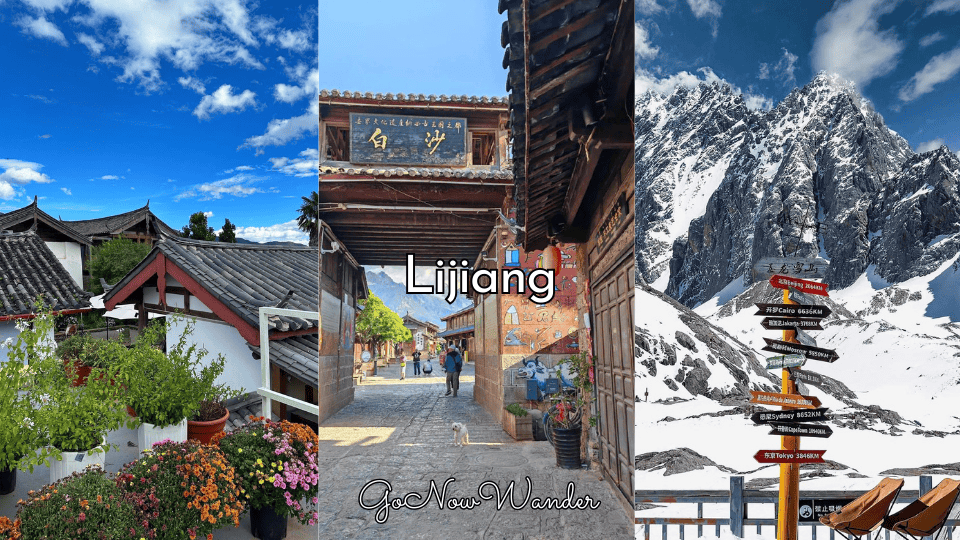
Destination 0 | Lijiang (Staging & Altitude Preparation + Pre-Exposure to Yulong Snow Mountain)
Function / Role: Preparation station, not a hiking stage
Recommended Stay: 1–2 days
1. Destination Highlights
Lijiang is the most international-traveler-friendly city in Yunnan and serves as the starting line for the entire hiking route.
It’s where your body, gear, and mindset begin to adjust to high-altitude conditions.
2. Scenery | Best Season | Must-Do Experiences
-
Lijiang Old Town – Best experienced at dawn or night for soft light and quiet streets
-
Yulong Snow Mountain Cable Car – Prepares body and mind for high-altitude hiking
Best Seasons: March–June / September–November
Jade Dragon Snow Mountain Pre-Experience
Before the real hiking adventure begins, I highly recommend a short high-altitude introduction at Jade Dragon Snow Mountain. Taking the cable car up to the Glacier Park gives you a gentle but effective acclimatization to the high-altitude environment, while also offering breathtaking views without a strenuous climb.
For a hassle-free experience, you can book a one-day guided tour through Klook, which covers transportation from Lijiang Old Town, the cable car, and entry tickets. It’s a perfect way to experience the mountain safely and get your first taste of high-altitude adventure.
🌐 Book your Jade Dragon Snow Mountain day tour here: BOOK HERE
This pre-experience helps your body and mind adjust, making the upcoming multi-day hikes much more enjoyable.
3. Transportation
-
Lijiang serves as the starting point for this hiking adventure and is the most traveler-friendly highland city for international visitors.
International Flights
If you’re traveling from overseas, the easiest way is to fly into one of China’s major international hubs:-
Kunming Changshui International Airport (KMG)
-
Chengdu Shuangliu International Airport (CTU)
-
Guangzhou Baiyun International Airport (CAN)
From there, you can take a domestic flight to Lijiang Sanyi Airport (LJG), which takes around 1–2 hours.
-
- Domestic Options / High-Speed Rail
- Kunming → Lijiang: ~8 hours by high-speed train (day or night trains available, scenic route)
- Dali → Lijiang: ~2 hours by high-speed train
- Both domestic and international travelers can choose flights or high-speed rail depending on time and budget.
Local Transportation- Taxis and ride-hailing apps are convenient between the old town and Jade Dragon Snow Mountain
- Walking is the best way to explore Lijiang Old Town, especially in the early morning or evening
- For Jade Dragon Snow Mountain cable car, consider a private car, shuttle, or local tour
- This travel plan ensures you arrive in Lijiang smoothly and are ready for high-altitude acclimatization and gear preparation before the adventure begins.
4. Culture & Local Life
- Naxi Culture: Traditional music, Dongba script, and wooden architecture
- Tea Horse Road History: Ancient trade route connecting Lijiang with Tibet
5. Must-Try Food
- Smoked Pork Rib Hotpot (Là Pái Gǔ Huǒguō)
- Naxi Baba – local flatbread, sweet or savory
- Yak Yogurt – creamy, slightly tangy, perfect for high-altitude energy
6. Accommodation Recommendations
- Luxury: Snow Mountain-view hotel
- Mid-range: Boutique guesthouses in Old Town
- Budget: Chain hotels just outside Old Town
7. Recommended Stay & Suitable For
- 1–2 days
- Suitable for all hikers – strongly recommended not to skip this stop
8. Must-Do & Off-the-Beaten-Path
- Short walks at the Yulong Snow Mountain upper station
- Dawn strolls through Old Town before the crowds arrive
9. Travel Budget Estimate
- Luxury: 1,400–2,500 RMB per night (~190–340 USD) for Snow Mountain-view hotels
- Mid-range: 450–900 RMB per night (~60–125 USD) for boutique Old Town guesthouses
- Budget: 180–350 RMB per night (~25–50 USD) for chain hotels outside Old Town
- Cable Car to Yulong Snow Mountain: 180–300 RMB (~25–40 USD)
Meals: 40–120 RMB per person (~6–18 USD) for local dining; hotpot or specialty meals around 150–200 RMB (~22–28 USD)
Total Daily Budget Estimate:- Luxury: ~1,800–3,000 RMB per day (~250–400 USD)
- Mid-range: ~600–1,300 RMB per day (~85–170 USD)
- Budget: ~250–550 RMB per day (~35–75 USD)
10. Notes & Tips
- Cable car reservation recommended in advance
- Monitor altitude adaptation, take it slow
11. Best Photography Spots
- Glacier Park on Yulong Snow Mountain
- Morning light on Old Town rooftops
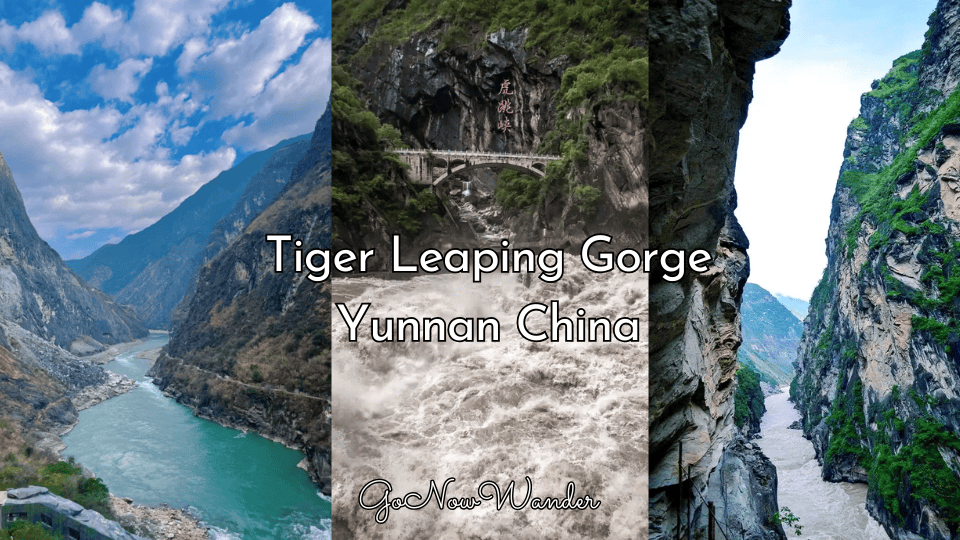
Destination 1|Tiger Leaping Gorge (High Trail Hike)
Difficulty Level: Level 3|Classic High-Altitude Gorge Trek
Suggested Stay: 2 days 1 night
1. Destination Highlights
Tiger Leaping Gorge is one of the world’s most spectacular canyon hikes, offering an immersive experience between the roaring Jinsha River and the towering snow-capped mountains. Every step on the trail feels like walking inside a living postcard, with breathtaking vistas at nearly every turn. For serious hikers, this is where Yunnan’s highland adventure truly begins.
2. Scenery | Best Season | Must-Do Experiences
-
Scenery: The high trail clings to cliffs, giving unmatched panoramic views of the gorge and surrounding peaks. Small villages and terraced fields dot the slopes, offering cultural insights along the hike.
-
Best Season: March–May / September–November. Spring brings fresh greenery and clear skies; autumn offers golden light and crisp air.
-
High Trail vs Low Trail:
-
High Trail: More challenging, less crowded, better viewpoints. Recommended for experienced hikers.
-
Low Trail: Easier, safer, but misses the dramatic canyon perspective.
-
Must-Do Experiences:
-
Sunrise departure from your lodge to catch the gorge bathed in morning light.
-
Stay overnight at a cliffside guesthouse and enjoy the serenity of stars reflected in the river below.
3. Transportation|From Lijiang to Tiger Leaping Gorge & Onward to Shangri-La
Getting from Lijiang to Tiger Leaping Gorge is the first key leg of this Yunnan hiking adventure. For international travelers, choosing a safe, reliable, and language-friendly option is essential. Here are the practical ways to get there:
1️⃣ Hotel / Guesthouse Private Car (Recommended)
Most hotels in Lijiang Old Town or Shuhe can arrange a private car to Tiger Leaping Gorge. Drivers are familiar with the route, making the journey comfortable and safe. Typical cost: 500–700 RMB per car (fits around 4 people). You can contact the front desk directly to book.
Pros: No need for Chinese communication, flexible departure times, perfect for an early morning start to complete the high route hike.
2️⃣ Klook or Tour Agency Day Trip / Private Tour (Most International-Friendly)
If you prefer an all-in-one solution—transportation, tickets, Chinese/English guide—Klook offers half-day or full-day Tiger Leaping Gorge tours.
Price Reference: 250–400 RMB per person, including round-trip transfer, entrance fees, and sometimes guided hiking.
Pros: Bookable directly in-app, English details clear, ideal for travelers who don’t speak Chinese.
Tip: Reserve 1–2 days in advance, especially during peak season or holidays.
3️⃣ Shared Car / Local Shuttle Bus (Budget Option)
Limited shared car or mini-bus services operate from Lijiang to Tiger Leaping Gorge. Cost: 50–100 RMB per person.
Pros: Economical
Cons: Fixed schedules, minimal English support, requires some local travel experience.
Important Notes:
-
Renting a car is generally not recommended for international visitors—Yunnan’s mountain roads are winding, conditions complex, and foreign driver documentation is difficult.
-
Plan your departure time carefully, usually 7–8 AM is ideal to avoid crowds and midday heat.
-
After completing the hike, continue along the route directly to Shangri-La without returning to Lijiang, keeping the high-altitude journey seamless.
4. Culture & Local Life
Tiger Leaping Gorge sits at the cultural crossroads of Naxi and Tibetan communities. Hikers will often stay in rustic guesthouses run by locals, where meals, stories, and hospitality offer a glimpse into highland life. The trail itself is also a living archive of ancient mule paths and stone footbridges, preserving the region’s heritage.
5. Must-Try Local Food
-
Homemade dishes at trekking lodges: simple, hearty, and nourishing.
-
High-calorie energy foods: dumplings, noodles, and fried potatoes for sustained trekking energy.
-
Local staples: barley porridge, yak cheese, and tea—perfect for morning starts.
6. Accommodation Recommendations
-
High-End: Gorge-view boutique lodges with panoramic terraces.
-
Mid-Range: Halfway Guesthouse / Tea Horse Inn—comfortable, scenic, and well-located.
-
Budget: Basic trekking hostels along the trail—clean, practical, and sociable.
7. Suggested Stay & Activity Plan|Tiger Leaping Gorge High Route
1 Day
-
Morning: Depart Lijiang → Arrive at Tiger Leaping Gorge → Hike the high route to Halfway or other viewpoint.
-
Afternoon: Return to start point or guesthouse to rest.
-
Suitable For: Travelers short on time, physically fit, who want to complete the hike without overnight stay.
2 Days 1 Night
-
Day 1: Hike the high route to a gorge-side guesthouse, stopping for photos, admire the Jinsha River meander.
-
Evening: Overnight at the gorge, enjoy the pristine starry sky.
-
Day 2: Early morning short hike → Return to Tiger Leaping Gorge bridge → Depart for Shangri-La.
-
Suitable For: Those who want a slower pace and to experience the gorge at night and under the stars.
3 Days 2 Nights
-
Day 1: Arrive at the gorge, acclimate, short half-day exploration.
-
Day 2: Hike the high route to core viewpoints, overnight at the gorge.
-
Day 3: Early morning short hike → Return to Tiger Leaping Gorge bridge → Continue to Shangri-La.
-
Suitable For: Fit travelers, photography enthusiasts, and those who want a deeper hiking experience.
Notes:
-
The high route is roughly 12–14 km; doable in one day, but staying overnight allows better acclimatization and sunrise/star photography.
-
Low route takes 4–6 hours, suitable for a lighter trekking experience.
-
The 2–3 day plan can be adjusted flexibly based on fitness and interests.
8. Must-Do Experiences & Hidden Gems
-
-
Morning High Trail Hike: Capture sunrise over the Jinsha River.
-
Night under the Stars: Stay at a cliffside guesthouse and watch the Milky Way arch above the gorge.
-
Photographer’s secret: Small side trails leading to less-trodden viewpoints for uninterrupted canyon shots.
-
9. Travel Budget Estimate|Tiger Leaping Gorge Trek
A realistic mid-range budget for the entire trekking experience at Tiger Leaping Gorge usually ranges from RMB 800–1,500 per person (approx. USD 110–210) for 2 days 1 night. This estimate includes:
-
Accommodation: Guesthouses along the gorge, ranging from basic trekking hostels (RMB 150–300/night) to mid-range lodges with river or canyon views (RMB 400–700/night).
-
Meals: Simple local meals at guesthouses or trekking stops, averaging RMB 50–100 per meal. High-calorie energy snacks for the trek: RMB 20–50.
-
Park & Trail Fees: Entrance to the Tiger Leaping Gorge scenic area, roughly RMB 65–80 per person.
-
Optional Services: Hiring a guide or porter for carrying gear may add RMB 200–400 depending on the service.
💡 Tips:
-
Staying overnight in the gorge allows for sunrise and star photography, enhancing your experience, but slightly increases budget due to accommodation fees.
-
Solo travelers can share transport costs from Lijiang by booking hotel-arranged cars or Klook tours.
-
Budget-conscious hikers can reduce costs by choosing low-budget guesthouses and self-catering where possible.
10. Important Notes
-
Safety is critical: watch your step along cliff edges.
-
Keep luggage light—trail access is limited.
-
Weather is unpredictable; layers and waterproof gear are essential.
-
Bring snacks and water for the trail.
11. Best Photography Spots
-
Halfway Point Overlook: Dramatic cliff-side views of the gorge below.
-
Jinsha River Hairpin Bend: Iconic river turn that perfectly frames the canyon.
-
Sunrise over the mountains: Early morning light highlights the textures of the cliffs and terraces.
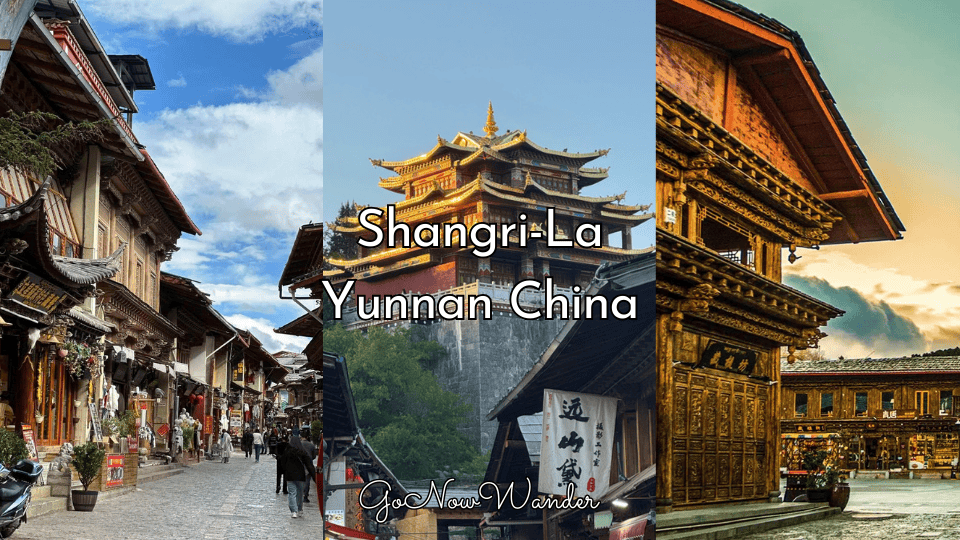
Destination 2|Shangri-La (Highland Recovery & Preparation Station)
Suggested Stay: 1–2 days
Function: Recovery, resupply, and psychological transition before higher-altitude trekking.
1. Destination Highlights
Shangri-La, historically known as Zhongdian, is a serene highland town offering gentle acclimatization to Tibetan culture and alpine scenery. This stop allows trekkers to rest, recover, and prepare for more challenging routes like Shika Snow Mountain and the Nujiang Grand Canyon.
💡 Pro Tip: For a detailed guide on what to see and do in Shangri-La, check out my full article here.
2. Scenery | Best Season | Must-Do Experiences
-
Scenery: Panoramic views of rolling hills, alpine forests, and distant snow-capped peaks. The old town streets, prayer flags, and Tibetan architecture create a calm, spiritual atmosphere.
-
Best Seasons: April–June / September–October
-
Must-Do Experiences:
-
Visit Songzanlin Monastery (largest Tibetan monastery in Yunnan)
-
Explore Shangri-La Old Town during early morning or evening
-
Gentle acclimatization hikes in nearby hills
-
3. Transportation
From Tiger Leaping Gorge:
-
Private transfer or pre-arranged car (recommended): Most hotels along the trekking route can arrange a private vehicle. Safe, reliable, and flexible for English-speaking travelers. Duration: ~3–4 hours. Cost: ~600–800 RMB per car (4 passengers).
-
Klook or tour operator shuttle: One-stop solution with English support, including transfer, tickets, and optional guided tours. Cost: ~200–400 RMB/person. Book 1–2 days in advance.
-
Public Bus: Limited schedule, may require basic Chinese communication. Cost: ~50–80 RMB/person.
International Visitors Tip: Avoid renting a car; highland roads are challenging and paperwork is complex. Booking via hotel or trusted platform ensures smooth arrival.
4. Culture & Local Highlights
-
Tibetan culture: prayer flags, butter lamps, traditional music
-
Local handicrafts and tea houses
-
Calm, spiritual environment perfect for acclimatization
5. Must-Try Foods
-
Yak butter tea
-
Zanba (roasted barley flour)
-
Tibetan momo dumplings
-
Yak stew or hotpot for high-altitude nutrition
6. Accommodation Recommendations
-
High-end: Boutique alpine lodges with mountain views
-
Mid-range: Old Town guesthouses with Tibetan-style décor
-
Budget: Simple guesthouses or hostels near Old Town
7. Suggested Stay & Who It’s For
-
1–2 days
-
Ideal for all trekkers to recover, acclimate, and stock up supplies
-
Purpose is preparation, not intense adventure
8. Must-Do Experiences & Hidden Gems
-
Sunset at Shangri-La viewpoint overlooking the old town
-
Gentle nature walks around Dukezong outskirts
-
Explore small Tibetan villages for authentic cultural encounters
9. Travel Budget Estimate
Accommodation: 150–600 RMB/night depending on category
Meals: 80–150 RMB/day for mid-range options
Local Transport: 200–800 RMB for transfers from Tiger Leaping Gorge
Optional Activities: Monastery tours, private acclimatization hikes, or guided village visits: 100–200 RMB
Total Estimated Budget: ~1,000–2,500 RMB for 1–2 days (mid-range traveler)
💡 Budget can vary depending on luxury choices, group size, and guided activities
10. Important Notes
-
Allow at least a half-day to acclimate; avoid strenuous activity immediately
-
Hydrate frequently and avoid alcohol
-
Even light walks can feel more challenging at altitude
11. Best Photography Spots
-
Songzanlin Monastery at golden hour
-
Rooftops of Shangri-La Old Town
-
Hilltop viewpoints with distant snow-capped peaks
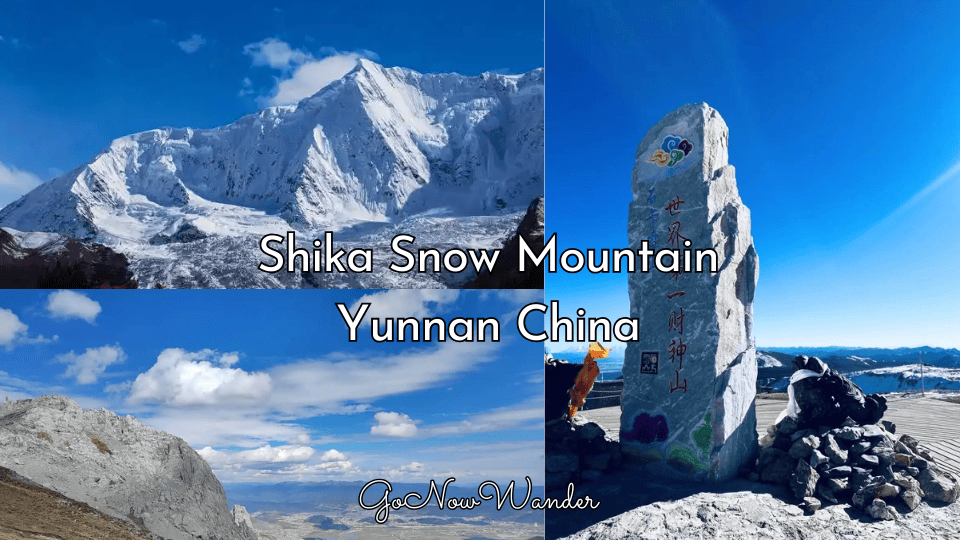
Destination 3|Shika Snow Mountain (High-Altitude Trek Pre-Test & Scenic Day Hike)
Suggested Stay: 1 day
Difficulty Level: Level 2|Moderate Altitude Trek
1. Destination Highlights
Shika Snow Mountain is a quieter alpine destination north of Shangri-La, offering spectacular snow-capped scenery without the crowds of Yulong Snow Mountain. Its trails are ideal for highland acclimatization and for “testing” your body and mind before tackling Nujiang Grand Canyon.
💡 Pro Tip: Use this day to practice walking at higher altitudes and adjusting your pace, rather than pushing for extreme speed or distance.
2. Scenery | Best Season | Must-Do Experiences
-
Scenery: Alpine meadows, snow-capped peaks, glacial streams, and pristine pine forests
-
Best Seasons: April–June / September–November
-
Must-Do Experiences:
-
Short highland hikes to viewpoints overlooking the valley
-
Photography at sunrise or late afternoon for soft light on snow peaks
-
Optional guided nature walks to learn local flora and fauna
-
3. Transportation
From Shangri-La:
-
Private Transfer or Hotel-Arranged Car (Recommended):
-
Duration: ~1–1.5 hours each way
-
Cost: ~400–600 RMB/car (4 passengers)
-
Benefits: Safe, reliable, flexible departure times, English-friendly
-
-
Klook Guided Day Tour:
-
Includes transport, entrance fees, and optional English guide
-
Cost: ~250–350 RMB/person
-
Ideal for international visitors who prefer one-stop arrangements
-
-
Public Minibus:
-
Limited frequency; basic Chinese language needed
-
Cost: ~30–50 RMB/person
-
International Visitors Tip: Avoid self-driving; highland mountain roads are challenging and local licenses are required.
4. Culture & Local Highlights
-
Traditional Tibetan herding communities along the mountain slopes
-
Yak grazing and seasonal highland farming
-
Tibetan prayer flags, small local temples, and traditional houses
5. Must-Try Foods
-
Tibetan barley porridge (Zanba)
-
Yak cheese and milk tea
-
Simple local high-protein snacks for hiking energy
6. Accommodation Recommendations
-
High-end: Boutique alpine lodges near trailheads with snow views
-
Mid-range: Guesthouses or inns in nearby Tibetan villages
-
Budget: Homestays or basic alpine shelters
💡 Most trekkers return to Shangri-La by evening, so overnight stay is optional unless doing early-morning photography or extended hikes.
7. Suggested Stay & Activity Planning
-
1 day: Morning departure from Shangri-La → 3–4 hours guided or self-paced hike → afternoon return
-
Ideal for: Trekkers wanting altitude practice, landscape photographers, or acclimatization before Nujiang Grand Canyon
-
Optional: Overnight at nearby lodge to catch sunrise over snow peaks
8. Must-Do Experiences & Hidden Gems
-
Hike to a viewpoint with panoramic views of snow peaks and valleys
-
Explore small Tibetan villages for cultural immersion
-
Early morning photo session for soft light and misty alpine atmosphere
9. Travel Budget Estimate
-
Transport: 400–600 RMB (private car, round trip) or 250–350 RMB/person (Klook day tour)
-
Meals: 50–100 RMB/person for simple highland food
-
Accommodation: Optional, 150–500 RMB/night
-
Entrance Fees & Guide: ~50–100 RMB
-
Total Estimated Budget: 300–800 RMB for a day trip (mid-range traveler)
10. Important Notes
-
Moderate altitude; light symptoms of highland adaptation may appear
-
Wear layered clothing; temperatures can drop quickly
-
Bring water, snacks, and sunscreen
-
Hiking trails are well-marked but slippery after rain
11. Best Photography Spots
-
Ridgeline viewpoints with panoramic snow-capped peaks
-
Alpine meadows with grazing yaks in foreground
-
Misty valley trails for atmospheric sunrise shots
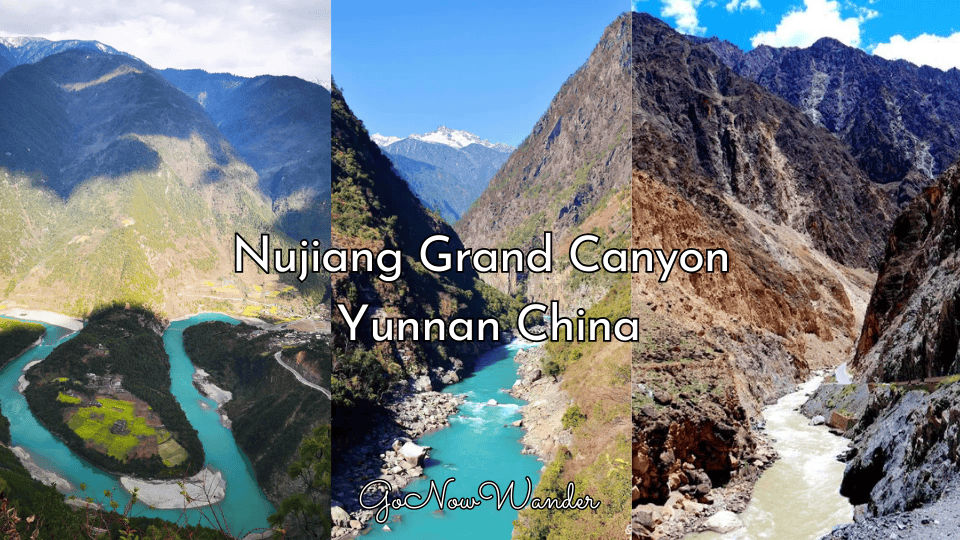
Destination 4|Nujiang Grand Canyon (Level 3 – Pristine Canyon Trekking)
Suggested Stay: 2–3 days
Focus: Entering the “off-the-beaten-path” section of Yunnan—villages, canyon trails, authentic trekking.
1. Highlights
Nujiang Grand Canyon is one of Yunnan’s most remote and untouched regions. Trek through deep valleys, winding rivers, and traditional ethnic villages. The experience emphasizes immersion—this isn’t a typical tourist site, but a place to connect with nature and local cultures.
2. Scenery | Best Seasons | Must-Do Experiences
-
Scenery: Towering cliffs, turquoise river bends, cascading waterfalls, and traditional Nu and Lisu villages.
-
Best Seasons: March–June (spring bloom, clear skies), September–November (autumn light, crisp air).
-
Must-Do Experiences:
-
Canyon trekking along lesser-known paths
-
Visiting remote ethnic villages and observing traditional lifestyles
-
River viewpoint photography
-
Optional homestay in a local village
-
3. Transportation | Shangri-La → Nujiang Grand Canyon
Private Transfer / Pre-arranged Car (Recommended)
-
Duration: ~5–6 hours
-
Most comfortable and reliable option for international visitors
-
English-speaking drivers available through hotel or trusted platforms like Klook
-
Flexibility for early departure to maximize trekking time
Public Bus (Economical Option)
-
Limited frequency; may require intermediate transfers
-
Fixed schedules and basic facilities
-
Suitable only for travelers with prior Chinese language experience
Important Tips:
-
Avoid self-driving: Mountain roads are narrow, winding, and challenging for foreign drivers
-
Start early (around 7–8 am) to arrive with daylight for acclimatization and light trekking
-
Carry snacks, water, and a light daypack for first arrival day
4. Culture & Local Life
-
Area inhabited mainly by Nu, Lisu, and Dulong ethnic groups
-
Traditional wooden houses and terrace farming
-
Opportunity to learn about local festivals and handicrafts
5. Recommended Food
-
Local river fish dishes
-
Hand-prepared buckwheat noodles
-
High-protein snacks for trekking: yak jerky, local cheese, corn cakes
-
Homestay meals often include seasonal vegetables
6. Accommodation Options
-
Homestays / Guesthouses: Typical choice for authentic experience and community support
-
Mid-range: Canyon-side lodges with basic amenities
-
Tips: Bring your own sleeping bag liner if homestay bedding is minimal
7. Suggested Stay & Activity Plan | Nujiang Grand Canyon Trek
Duration: 2–3 days
Difficulty: Level 3 | Authentic, off-the-beaten-path canyon trekking
1 Day (Quick Visit / Limited Time)
-
Morning: Depart Shangri-La → Arrive Nujiang Grand Canyon (~5–6 hours by private transfer)
-
Afternoon: Short acclimatization walk around the canyon rim or nearby village
-
Suitable for: Travelers with limited time or those wanting a taste of the canyon without overnight trekking
2 Days 1 Night (Recommended for Most)
-
Day 1: Arrival in the canyon, check in at a local guesthouse or lodge
-
Afternoon: Light walk to nearby viewpoints, capture sunset over the river and cliffs
-
-
Night: Overnight at the guesthouse; enjoy the canyon’s untouched night sky
-
Day 2: Full-day high canyon trek
-
Explore remote villages, cliff trails, and river bends
-
Capture dramatic scenery and interact with local ethnic communities
-
Evening: Return to lodge and rest
-
-
Suitable for: Travelers who want a comfortable pace, photography opportunities, and authentic cultural experiences
3 Days 2 Nights (For Adventure & Photography Enthusiasts)
-
Day 1: Arrival and light acclimatization walk
-
Day 2: High canyon trek to core viewpoints, explore remote villages, overnight at guesthouse
-
Day 3: Optional early morning short trek → check out → continue west to Bingzhongluo
-
Suitable for: Experienced trekkers, photographers, or those who enjoy slow, immersive exploration
Notes:
-
Full high canyon trek is challenging; pace yourself and stay hydrated
-
Overnight stay enhances experience: sunrise, sunset, and starlit canyon skies
-
Trails can be slippery or uneven; wear proper hiking shoes
-
Local guesthouses may be basic; plan accordingly
8. Must-Do Experiences & Hidden Gems
-
Sunrise or sunset along the canyon edge
-
Visit a small Nu village for tea ceremony and home-cooked lunch
-
Photography from cliff viewpoints for dramatic river bends
9. Travel Budget Estimate
-
Mid-range Budget (Recommended)
-
Accommodation: 100–300 RMB per night for local guesthouses or lodges
-
Meals: 50–150 RMB per day (local cuisine, simple meals)
-
Transportation: 500–700 RMB per car (private transfer from Shangri-La, 4 passengers)
-
Park Fees: Some trails may require small entrance fees (~30–50 RMB)
Optional Expenses:
-
Local guided trek / porter services: 100–200 RMB per day
-
Photography permits or extended excursions may add small costs
Budget Tips:
-
Sharing private transfer costs with fellow travelers significantly reduces per-person cost
-
Meals in villages are cheaper than tourist lodges
-
Booking guesthouses in advance during peak season ensures availability and reasonable rates
-
10. Important Tips
-
Roads are narrow and winding; motion sickness medication may help
-
Weather can change rapidly; bring layers
-
Carry sufficient water and snacks
-
Respect local customs; ask before photographing villagers
-
Mobile signal may be limited; offline maps recommended
11. Best Photography Spots
-
River bends seen from canyon viewpoints
-
Traditional Nu / Lisu villages perched on cliffs
-
Waterfalls and canyon walls at sunrise or sunset
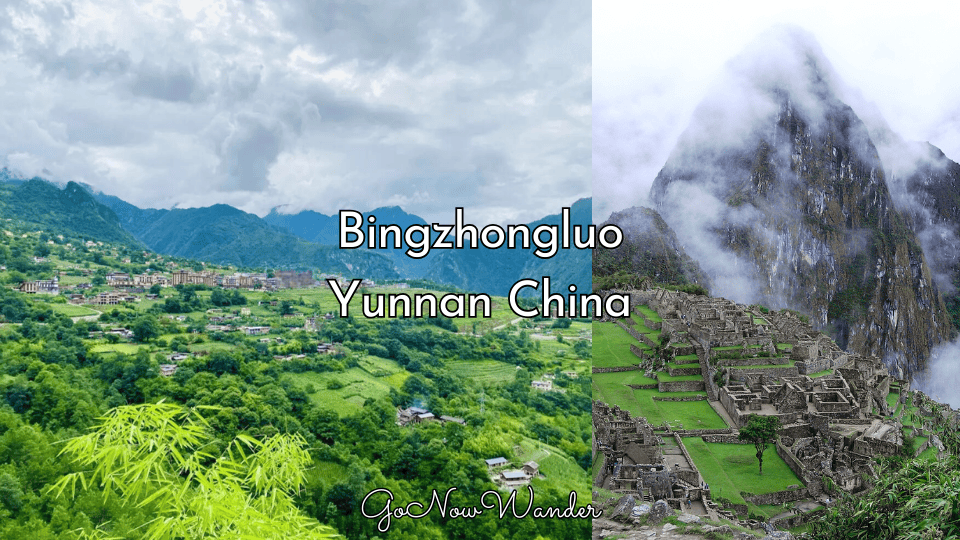
Destination 5|Bingzhongluo (End Point)
Difficulty: Level 2–3 | Riverside & Village Trekking
Suggested Stay: 2–3 days
Function / Role:
-
Natural endpoint of the full adventure trekking line
-
Continues north from Nujiang Grand Canyon into pristine villages and river valleys
-
Slow down, enjoy photography, cultural immersion, and gentle exploration
1. Destination Highlights
-
Untouched tributaries of the Nujiang River, village terraces, and forested landscapes
-
Convergence of Tibetan, Lisu, and Dulong ethnic minority cultures
-
Quiet, low-tourist atmosphere, ideal for ending the trek
2. Scenery | Best Season | Must-Do Activities
-
River valley scenery, village exploration, terraces and natural forests
-
Best Season: March–May / September–November
-
Must-Do Activities:
-
Riverside walks along Nujiang tributaries
-
Visit and interact with local minority villages
-
Sunrise photography over river valleys and village terraces
-
3. Transportation | From Nujiang Grand Canyon → Bingzhongluo
-
Private Transfer / Pre-arranged Car (Recommended)
-
Duration: ~3–4 hours, comfortable for foreign visitors
-
Bookable via hotel or trusted platform (like Klook) with English-speaking driver
-
-
Public Transport
-
Limited options; may require transfers
-
Not ideal for first-time visitors
-
-
Tips:
-
Depart early to maximize daylight for exploration
-
Avoid self-driving due to mountainous roads and local regulations
-
4. Culture & Local Life
-
Villages inhabited by Lisu, Dulong, and Tibetan minorities
-
Traditional wooden houses, local handicrafts, riverside farming
-
Participate in local festivals if timing aligns
5. Must-Try Food
-
Grilled Nujiang-style fish
-
Stir-fried wild mushrooms
-
Barley and buckwheat staples
-
Yak milk products
6. Accommodation Recommendations
-
High-End: Riverside lodges with river views
-
Mid-Range: Village guesthouses
-
Budget: Basic homestays or local inns
7. Suggested Stay & Activity Plan
2 Days:
-
Day 1: Arrive → short riverside trek → village walk → dinner with locals
-
Day 2: Half-day cultural immersion or morning photography → depart
3 Days:
-
Day 1: Arrive → light exploration → sunset photography in village
-
Day 2: Full-day trek along river and terraces, visit remote villages
-
Day 3: Early morning photography → leisure walk → depart
Suitable for:
-
Hikers and culture explorers
-
Photography enthusiasts
-
Travelers seeking quiet, off-the-beaten-path experiences
8. Must-Do & Hidden Experiences
-
Participate in village morning rituals or markets
-
Sunset from riverside terrace viewpoints
-
Walk remote trails rarely visited by other tourists
9. Travel Budget Estimate
-
Accommodation: 100–350 RMB/night depending on type
-
Meals: 50–150 RMB/day
-
Private Transfer: 400–600 RMB per car from Nujiang Canyon
-
Optional Guide / Porter: 100–200 RMB/day for cultural or trekking support
-
Tips: Share transfers to reduce cost, eat in local villages for authentic experience
10. Important Notes
-
Roads are narrow and winding; plan for early departures
-
Respect local culture; dress modestly
-
Weather can change quickly in the river valley
11. Best Photography Spots
-
Riverside terraces at sunrise
-
Traditional village streets
-
Remote viewpoints along tributary trails
Route Combination Guide|How to Turn These Destinations Into a Walkable Line
( Yunnan hiking itinerary / adventure travel Yunnan / Yunnan trekking route)
This adventure route is designed with one core principle in mind:
no backtracking, gradual altitude gain, and realistic daily pacing.
Instead of jumping between cities or forcing tight transfers, the line flows naturally from one landscape to the next, allowing both your body and mindset to adapt.
Below are three proven route combinations, based on time, experience, and physical condition.
7-Day Adventure Line|A Taste of High-Altitude Trekking
(Best for first-time Yunnan hikers with limited time)
Route:
Lijiang (with Jade Dragon Snow Mountain) → Tiger Leaping Gorge → Shangri-La → Shika Snow Mountain
Why this works:
-
Starts with a low-pressure acclimatization phase
-
Includes one iconic world-class trek (Tiger Leaping Gorge High Trail)
-
Ends with controlled high-altitude exposure at Shika Snow Mountain
Ideal for:
-
First-time highland hikers
-
Travelers who want challenge without overexertion
-
Photography-focused adventurers
10–12 Day Deep Trekking Line|The Full Main Route
(Yunnan trekking itinerary / hiking Yunnan mountains)
Route:
Lijiang → Tiger Leaping Gorge → Shangri-La → Shika Snow Mountain → Nujiang Grand Canyon → Bingzhongluo
Why this works:
-
Complete altitude progression from mature tourist zones to raw terrain
-
Balanced mix of classic treks and village-based exploration
-
Ends in a slow, culturally immersive landscape
Ideal for:
-
Hikers with moderate experience
-
Travelers seeking depth, not just highlights
-
Those who want to truly understand Yunnan beyond postcards
14-Day Professional-Level Route|Extended Nujiang & Bingzhongluo Trekking
(advanced trekking Yunnan / off-the-beaten-path China hiking)
Route:
Full main line + extended trekking in Nujiang & Bingzhongluo
Why this works:
-
Allows recovery days after long drives
-
Adds side hikes, village walks, and photography time
-
Shifts from “destination travel” to landscape living
Ideal for:
-
Experienced hikers
-
Cultural explorers
-
Slow travelers who value process over pace
First-Time High-Altitude Trekking? Is This Route Right for You?
(first time high altitude hiking China / Yunnan trekking for beginners)
✔️ This Route Is Suitable If You:
-
Can walk 10–15 km per day at a steady pace
-
Are comfortable with uneven terrain and elevation changes
-
Are open to resting when needed, not “pushing through”
-
Prefer structured progression over sudden altitude jumps
❌ This Route May Not Be Ideal If You:
-
Have no hiking experience and dislike long walks
-
Are extremely sensitive to altitude and unwilling to adapt
-
Prefer luxury-based travel with minimal physical effort
Alternative Suggestions
-
Replace Tiger Leaping Gorge High Trail with scenic viewpoints only
-
Focus on Lijiang + Shangri-La + Shika Snow Mountain
-
Skip Nujiang and Bingzhongluo if time or energy is limited
Physical & Mental Preparation
-
Arrive rested, not rushed
-
Accept that some days are about adaptation, not achievement
-
Listen to your body more than your itinerary
Pre-Trip Packing & Preparation Checklist (Simplified)
(Yunnan hiking packing list / high altitude trekking essentials)
Essentials
-
Comfortable hiking shoes (already broken in)
-
Lightweight down jacket or insulated layer
-
Rain jacket or wind shell
-
Sun protection: hat, sunglasses, sunscreen
-
Daypack (20–30L)
Optional but Helpful
-
Trekking poles (especially for Tiger Leaping Gorge)
-
Power bank
-
Electrolyte or energy snacks
-
Light gloves and neck gaiter
Not Recommended
-
Heavy suitcases
-
Brand-new hiking boots
-
Excessive electronics
-
Overpacking “just in case” items
Rule of thumb:
If it slows your walking or stresses your shoulders, you probably don’t need it.
Conclusion|Why Trekking in Yunnan Is Not About Conquering, But Approaching
(Yunnan hiking experience / why hike in Yunnan)
After walking this route, one thought stayed with me longer than the sore legs or the altitude headaches:
Yunnan doesn’t reward speed. It rewards attention.
These mountains don’t need to be conquered.
They ask you to slow down, to breathe differently, to listen.
From the roar of the Jinsha River in Tiger Leaping Gorge
to the quiet villages of Bingzhongluo,
this journey is less about proving strength
and more about learning when to soften your pace.
If you walk gently, the mountains open up.
If you rush, they simply wait.
And that, to me, is what makes trekking in Yunnan truly unforgettable.