

2 Weeks in Yunnan: The Ultimate First-Time Travel Itinerary
Table of contents
Recommended reading before you start:
If this is your first time planning a trip to Yunnan, I suggest reading my guide to the 18 must-visit places in Yunnan first. It gives a broad overview of the region and helps you understand how these destinations connect geographically and culturally. This trekking-focused guide builds on that foundation.
I. Route Logic Explained | Why This Is a 14-Day Itinerary You Can Actually Travel
This 2 weeks in Yunnan itinerary is designed around one simple principle:
your body should adapt as smoothly as your journey unfolds.
Instead of rushing between disconnected highlights, this route follows a clear altitude curve and a logical geographic flow, making it realistic, comfortable, and deeply immersive.
Altitude Curve: Low → Mid → High → Descend → Recover
-
Low altitude entry: Kunming and Xishuangbanna allow your body to land, rest, and reset.
-
Gradual rise: Dali and Lijiang introduce plateau landscapes without sudden altitude stress.
-
High point: Shangri-La brings you into the Tibetan highlands once your body is ready.
-
Gentle descent: Lugu Lake softens both altitude and pace.
-
Recovery finish: Tengchong’s hot springs help your body unwind before departure.
This pacing is the reason the route feels walkable, not exhausting.
Full Landscape Coverage Across Yunnan
In just two weeks, this itinerary spans Yunnan’s most iconic environments:
-
🌴 Tropical rainforests in Xishuangbanna
-
🌊 Highland lakes at Erhai Lake and Lugu Lake
-
🏔 Snow mountains and Tibetan plateaus in Lijiang and Shangri-La
-
♨️ Volcanic hot springs in Tengchong
Few regions in Asia offer this level of landscape contrast without crossing borders.
Cultural Progression That Actually Makes Sense
This route is also a cultural journey, unfolding layer by layer:
-
Dai culture in the south
-
Bai culture around Dali
-
Naxi heritage in Lijiang
-
Tibetan traditions in Shangri-La
-
Mosuo matriarchal society at Lugu Lake
-
Multi-ethnic border cultures in Tengchong
👉 This is a route designed to understand Yunnan, not to rush through it.
II. Recommended Time Allocation for a 14-Day Yunnan Trip
Below is the final, optimized time distribution for a first-time traveler planning 2 weeks in Yunnan.
It balances transport time, physical recovery, and real travel enjoyment.
| Destination | Suggested Stay | Role in the Journey |
|---|---|---|
| Kunming | 1 day | International arrival & transition |
| Xishuangbanna | 2–3 days | Tropical buffer & sensory opening |
| Dali | 2–3 days | Slow living & rhythm adjustment |
| Lijiang | 2 days | Old town charm + snow mountain scenery |
| Shangri-La | 2 days | Tibetan culture & highland core |
| Lugu Lake | 2 days | Emotional reset & stillness |
| Tengchong | 2–3 days | Hot spring recovery & gentle ending |
👉 Total: 14–16 days
This itinerary is fully adjustable. You can shorten or extend stays based on your interests without breaking the route logic.
III. Before You Go | First-Time Planning Tips for 2 Weeks in Yunnan
If this is your first time planning a trip to Yunnan, a bit of context goes a long way.
Yunnan is not a destination you “do quickly.” Distances are large, landscapes change dramatically, and cultural differences are real. Planning a successful 2-week itinerary here is less about ticking boxes and more about understanding how places connect geographically, culturally, and physically.
If you haven’t already, I strongly recommend reading my guide to the 18 must-visit places in Yunnan before diving into this itinerary. It offers a broad regional overview and helps you see how these destinations relate to each other.
This 14-day route builds on that foundation and turns it into a fully executable travel plan.
In the sections that follow, I’ll walk you through each stop in detail, including how to get there, where to stay, what to prioritize, and how to move on smoothly without backtracking.
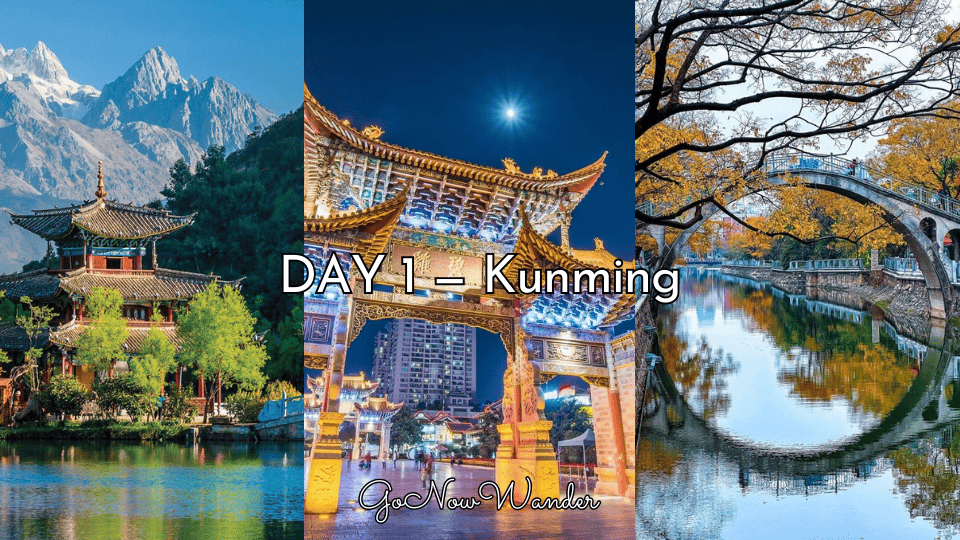
Destination 1 | Kunming
Arrival & Transition Hub for Your 2 Weeks in Yunnan
Destination Highlights
Kunming is not a sightseeing stop on this itinerary, but a soft landing into Yunnan.
As the province’s main international gateway, it allows travelers to recover from long-haul flights and prepare for the journey ahead.
Scenery | Best Time to Visit | Key Experiences
-
Scenery: A laid-back city surrounded by gentle hills and lakes
-
Best time to visit: Year-round, with mild temperatures earning Kunming its nickname, “The City of Eternal Spring”
-
Key experiences here:
-
Check into a comfortable hotel
-
Adjust to local time
-
Reorganize luggage for upcoming regional travel
-
This day is about rest, not rushing.
Transportation
International Arrival
-
Most international travelers arrive via Kunming Changshui International Airport (KMG)
-
Direct or one-stop flights are available from major Asian hubs, with easy connections from Europe, North America, and Australia
Airport to City
-
Taxi or ride-hailing (DiDi): ~40–60 minutes, depending on traffic
-
Airport Express or metro options are also available but less convenient after long flights
Next Destination Connection
-
Kunming serves as the main transit hub for onward travel to Xishuangbanna, Yuanyang Rice Terraces, Dali, and Tengchong by flight, train, or private transfer
Book Your Flight to KMG
Culture & Local Character
Kunming reflects Yunnan’s role as a cultural crossroads rather than a single ethnic identity.
It’s a calm, practical city where modern infrastructure meets the rhythms of southwestern China.
Must-Try Food (Simple & Convenient)
After arrival, keep meals light and easy:
-
Yunnan rice noodles (过桥米线)
-
Local mushroom dishes (seasonal)
-
Fresh fruit and herbal teas
-
Simple hotel or nearby restaurant meals
Avoid overly spicy or heavy food on your first night.
Hotel Recommendations
Choose hotels near the city center or airport express routes.
-
High-end: International hotel brands with reliable comfort and English service
-
Mid-range: Modern business hotels with good soundproofing and elevators
-
Budget: Clean, well-reviewed chain hotels near metro lines
Priority: sleep quality, quiet rooms, easy transport.
Recommended Stay & Who It’s For
-
Stay: 1 night
-
Best for:
-
First-time visitors to Yunnan
-
Long-haul international travelers
-
Anyone starting a 2-week Yunnan itinerary
-
Skipping this buffer day often leads to fatigue later.
Essential Things to Do
-
Withdraw cash or confirm mobile payments
-
Buy snacks, water, and basic supplies
-
Confirm transport bookings for the next leg
Small preparations here save stress later.
Travel Budget Estimate
-
Accommodation: Mid-range city hotel
-
Meals: Simple local dining
-
Transport: Airport transfer only
Overall cost is low to moderate, designed to conserve energy and budget for upcoming destinations.
Practical Notes
-
Kunming’s altitude (~1,900 m) is mild but still noticeable for some travelers
-
Stay hydrated and avoid late-night activities
-
Sleep early to reset your body clock
Best Photography Spots (Optional)
Photography is not essential here, but if you feel rested:
-
Dianchi Lake (short sunset walk)
-
Hotel rooftop or city night views
Only if energy allows.
Route Connections
From Kunming, the journey officially begins:
-
Kunming → Xishuangbanna (flight)
-
Kunming → Yuanyang Rice Terraces (private transfer or bus)
-
Kunming → Dali (high-speed train)
This flexibility makes Kunming the ideal starting point for a 2 Weeks in Yunnan itinerary.
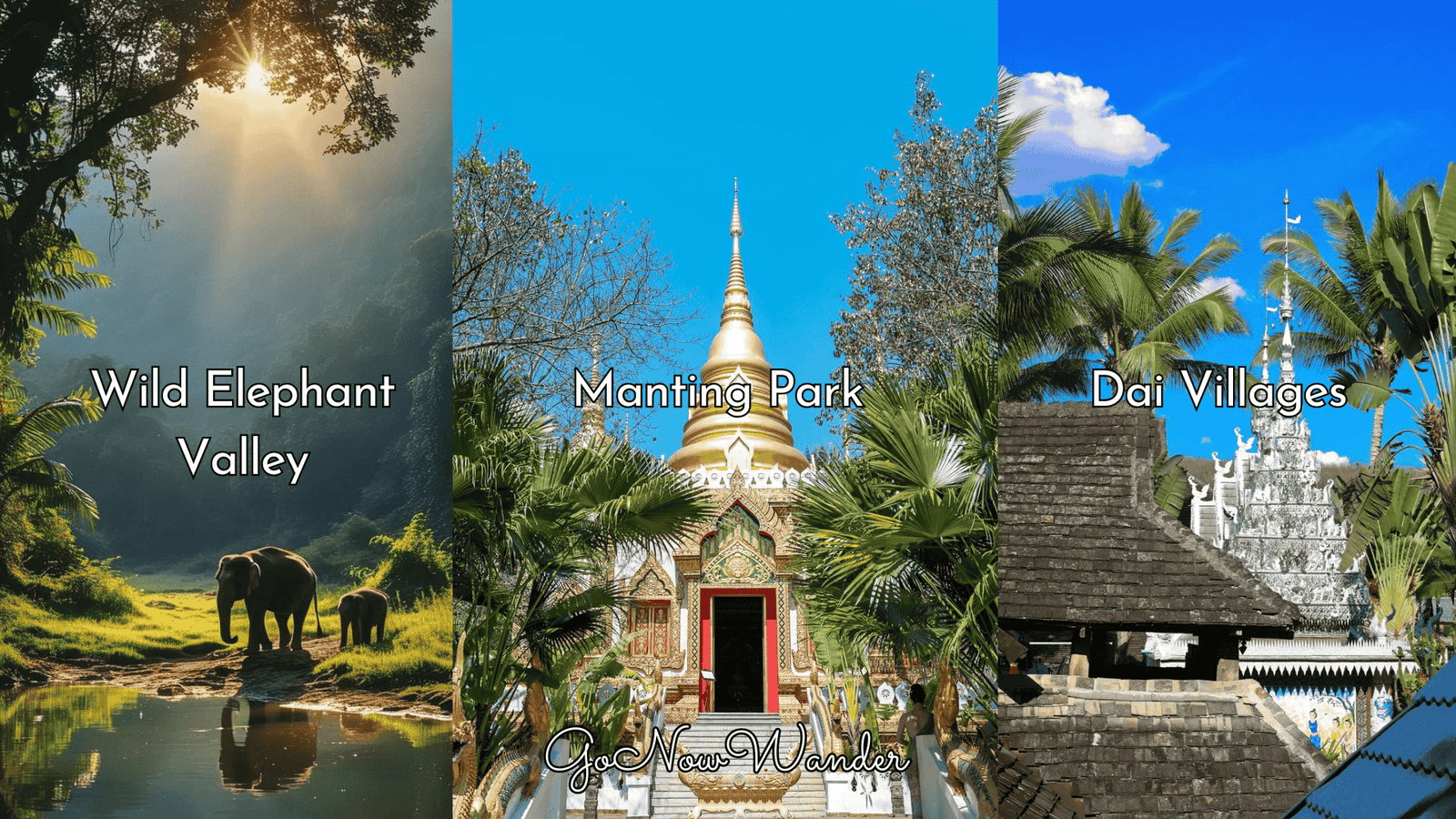
Destination 2 | Xishuangbanna
Tropical Reset Before the Highlands
Destination Highlights
Xishuangbanna is Yunnan’s tropical south, where palm trees replace pine forests and time seems to slow under humid air.
It’s the perfect place to recover from travel fatigue and gently prepare your body before moving toward higher altitudes.
Scenery | Best Time to Visit | Key Experiences
Scenery
-
Lush rainforests, river valleys, and banana-leaf-lined roads
-
A Southeast Asia–like atmosphere unlike anywhere else in China
Best Time to Visit
-
November to April: Dry season, best weather for walking and outdoor activities
-
March–April: Lush greenery and cultural festivals
-
Avoid peak rainy months if humidity affects your comfort
Key Experiences
-
Slow walks through tropical gardens
-
Light jungle exploration without strenuous hiking
-
Relaxed cafés, night markets, and riverside dinners
This is about sensory awakening, not sightseeing pressure.
Transportation
From Kunming
-
Flight: 1–1.5 hours (most efficient and recommended)
-
High-speed train: 3–4 hours, scenic but longer
From Other Cities
-
Xishuangbanna has limited direct connections from outside Yunnan
-
Most international visitors route through Kunming first
Getting Around Locally
-
Ride-hailing (DiDi) and taxis are widely available
-
Short distances make transport easy and inexpensive
Culture & Local Character
Xishuangbanna is the heartland of the Dai ethnic group, whose culture shares deep roots with Thailand and Laos.
Expect Buddhist temples, water culture, gentle manners, and a relaxed pace of life that contrasts sharply with northern Yunnan.
Must-Try Food (3–5 Items)
-
Dai-style grilled fish with herbs
-
Pineapple rice or bamboo-tube rice
-
Fresh tropical fruits (papaya, mango, jackfruit)
-
Light, sour-spicy salads with local greens
-
Herbal teas and fresh coconut drinks
Flavors here are refreshing rather than heavy.
Hotel Recommendations
Choose comfort and atmosphere over location density.
-
High-end:
-
Tropical resort-style hotels with pools and garden views
-
-
Mid-range:
-
Boutique hotels near Jinghong city with good air conditioning
-
-
Budget:
-
Clean guesthouses or modern chain hotels
-
Prioritize quiet rooms, good showers, and greenery.
Recommended Stay & Who It’s For
-
Stay: 2–3 days
-
Best for:
-
First-time visitors to Yunnan
-
Couples and slow-travel lovers
-
Travelers sensitive to altitude
-
Skipping this stop often makes the later highland journey feel rushed.
What to Do in Xishuangbanna
Where to Go, What’s Worth It, and How to Buy Tickets
Xishuangbanna is not about ticking off dozens of sights.
It’s about choosing a few places that actually deliver atmosphere, nature, and cultural texture, without exhausting yourself.
Below are the most worthwhile experiences, ranked by value for first-time visitors.
1. Xishuangbanna Tropical Botanical Garden (XTBG)
Best overall nature experience
Why it’s worth visiting
This is one of the most impressive tropical botanical gardens in Asia, covering vast rainforest terrain rather than manicured parkland. You walk through palm forests, rare tropical plants, and shaded jungle paths that feel immersive rather than staged.
What to do there
-
Walk the rainforest trails at a relaxed pace
-
Focus on macro details, light through leaves, and layered greens
-
Optional internal shuttle if you don’t want to walk the full area
Time needed: Half day
Best time: Morning, before heat builds
Tickets
-
Entrance fee required
-
Buy on-site or via Chinese apps
-
Hotels in Jinghong can help purchase tickets at the front desk
Photography value: ⭐⭐⭐⭐☆
2. Manting Park (Manting Gongyuan)
Best cultural + easy walk option
Why it’s worth visiting
Manting Park combines Dai royal garden history, Buddhist temples, and shaded walking paths. It’s central, easy, and doesn’t require much planning.
What to do there
-
Visit Dai-style temples
-
Walk under old trees and lotus ponds
-
Slow exploration without rushing
Time needed: 1.5–2 hours
Best time: Late afternoon
Tickets
-
Low-cost entrance ticket
-
Easily purchased at the gate
Photography value: ⭐⭐⭐☆
3. Dai Minority Villages (Select One, Not Many)
Best human-centered experience
Why it’s worth visiting
Instead of large-scale ethnic theme parks, visiting a smaller Dai village offers a more grounded experience of daily life, architecture, and local rhythm.
What to do
-
Observe traditional wooden houses
-
Talk to locals (hotel-arranged visits help bridge language gaps)
-
Casual walking, not performances
How to visit
-
Ask your hotel to recommend a nearby village
-
Taxi or short private transfer
Tickets
-
Some villages charge a small entrance fee
-
Paid on arrival
Worth it if: You prefer quiet cultural observation over staged shows.
4. Night Markets in Jinghong
Best food and atmosphere per minute spent
Why it’s worth visiting
Xishuangbanna’s night markets are lively but not overwhelming. Food is fresh, inexpensive, and varied.
What to eat
-
Grilled fish with Dai herbs
-
Pineapple rice
-
Fresh fruit juices and coconut drinks
Cost
-
Pay per item, no tickets needed
Photography value: ⭐⭐⭐☆
What to Skip (Unless You’re Very Curious)
-
Large ethnic performance shows with fixed schedules
-
Over-commercialized “rainforest adventure” parks
-
Places requiring long transfers for limited payoff
For a 2–3 day stay, less is more.
How to Buy Tickets (International Visitor Tips)
-
On-site purchase: Works for most attractions
-
Hotel assistance: Highly recommended, especially if you don’t use Chinese apps
-
Klook: Limited options in Xishuangbanna but useful when available
Bring your passport; some ticket offices require ID.
Suggested 2–3 Day Xishuangbanna Itinerary (Practical Version)
Day 1:
-
Arrival from Kunming
-
Hotel check-in, rest
-
Evening night market walk
Day 2:
-
Tropical Botanical Garden (half day)
-
Afternoon rest or café time
-
Optional Manting Park
Day 3 (optional):
-
Dai village visit or slow city wandering
-
Prepare for onward travel to Dali
This pacing keeps the experience restorative, not exhausting.
Why Xishuangbanna Matters in a 14-Day Yunnan Route
This is not a “must-see attraction cluster.”
It’s a physiological and emotional buffer that makes the rest of Yunnan feel smoother, lighter, and more enjoyable.
From here, your journey naturally flows north toward Dali and Erhai Lake, where the rhythm stays slow but the landscape begins to change.
Travel Budget Estimate
-
Accommodation: Mid-range resort or boutique hotel
-
Meals: Very affordable local food
-
Transport: Short taxi rides
Overall cost is low to mid-range, making this an excellent value stop.
Practical Notes
-
Humidity is high: light clothing and breathable fabrics are essential
-
Mosquito repellent is recommended, especially in the evenings
-
No altitude concerns here — this is your body’s reset zone
Best Photography Spots
-
Tropical gardens with layered greenery
-
Riverbanks at sunset
-
Temple details and palm-lined streets
Soft light and rich greens dominate the visual mood.
Route Connections
From Xishuangbanna, the journey flows naturally northward:
-
Xishuangbanna → Dali (flight or via Kunming)
-
This marks the transition from tropical lowlands to Yunnan’s lake-and-mountain heartland
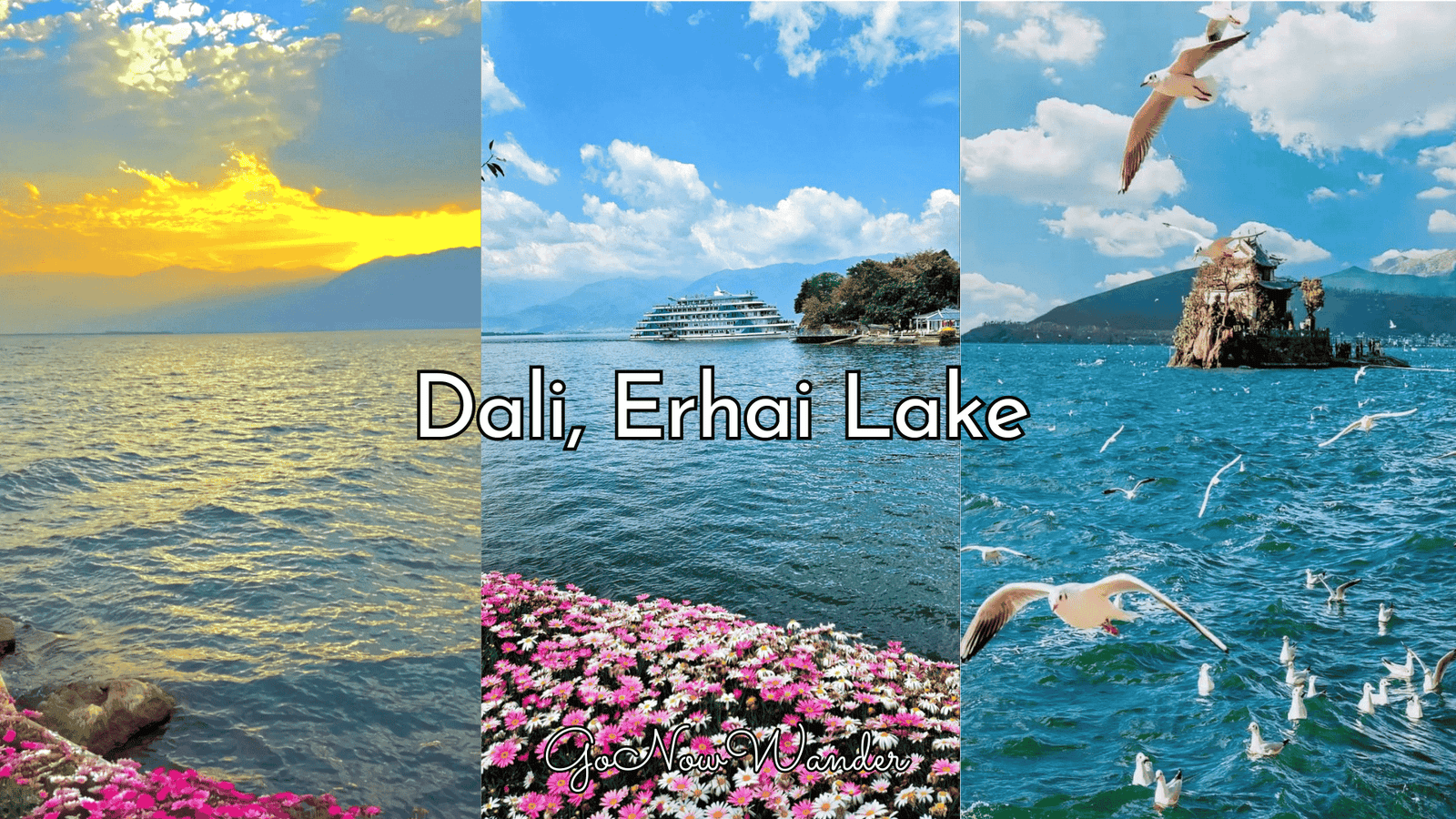
Destination 3 | Dali
Erhai Lake – The Slow Living Core of Yunnan
Destination Highlights
Dali is where time loosens its grip. Centered around Erhai Lake, it represents Yunnan’s most balanced version of slow living, combining open water, mountain backdrops, and an unhurried daily rhythm.
This is not a destination to rush through. Dali works best when you let mornings stretch, afternoons drift, and evenings settle gently.
Landscape | Best Season | Must-Do Experiences
Landscape
-
Erhai Lake’s wide, reflective shoreline
-
Cangshan Mountains forming a dramatic western backdrop
-
Flat lakeside roads ideal for cycling and walking
Best Time to Visit
-
March–May: Mild temperatures, clear skies, fresh greenery
-
September–November: Crisp air, golden light, fewer crowds
Must-Do Experiences
-
Cycling or e-biking along Erhai’s west or north shore
-
Sunset walks by the lake
-
Slow café hopping with lake views
Transportation
From Kunming
-
High-speed train to Dali Railway Station: ~2–2.5 hours
-
Taxi from station to Old Town or lakeside hotels: 30–40 minutes
From Xishuangbanna
-
Flight to Dali (seasonal, limited)
-
Or fly/train via Kunming
From Lijiang
-
High-speed train: ~1.5 hours
-
Private car: ~2.5 hours
Getting Around Dali
-
DiDi or taxis for short distances
-
E-bike rental is the most flexible way to explore Erhai
Culture & Local Life
Dali is the cultural heartland of the Bai ethnic group, known for white-walled architecture, tie-dye textiles, and a lifestyle closely tied to water and agriculture.
Unlike heavily staged heritage towns, Bai culture in Dali feels lived-in rather than displayed.
Must-Try Local Food
-
Xizhou Baba: Crispy flatbread, savory or sweet
-
Dali-style sour fish: Light, fragrant, not heavy
-
Erhai shrimp: Simple seasoning, fresh texture
-
Rose pastries: Subtle floral sweetness
-
Rice noodles with local herbs
Hotel Recommendations
Luxury
-
Linden Centre (Xizhou): Heritage courtyard, refined calm
-
Hotel Indigo Erhai: Modern comfort with lake views
Mid-Range
-
Boutique guesthouses along Erhai west shore
-
Courtyard inns near Dali Old Town
Budget
-
Family-run inns inside Old Town
-
Simple lakeside homestays (basic but atmospheric)
Recommended Stay & Ideal Travelers
Stay: 2–3 days
Best For:
-
Couples
-
Slow travelers
-
Wellness-focused trips
-
Anyone recovering from faster-paced destinations
How to Visit Erhai Lake | Practical Guide for First-Time Visitors
Erhai Lake is not a single attraction with one entrance. It is a large, living lake surrounded by villages, paths, cafés, and open shoreline. How you approach it determines your entire Dali experience.
How to Get to Erhai Lake from Dali
From Dali Railway Station
-
Take a taxi or DiDi to:
-
Dali Old Town (about 30–40 minutes)
-
Erhai West Shore hotels (about 40 minutes)
-
-
Cost: ~50–80 RMB
From Dali Old Town
You are already close, but not directly on the lake.
-
Taxi / DiDi to lakeside access points: 10–20 minutes
-
E-bike rental shops are widely available in Old Town
💡 Tip: Staying near Erhai’s west or north shore saves daily commuting time.
Best Ways to Experience Erhai Lake (Ranked)
Option 1: E-Bike or Bicycle (Most Recommended)
This is the best and most flexible way to experience Erhai.
How it works
-
Rent an e-bike in Dali Old Town or near your hotel
-
Cost: ~40–80 RMB per day
-
Helmet usually included
Suggested Route (Half-Day, Not Full Loop)
-
Start: Dali Old Town or Xizhou
-
Ride north or south along the lake
-
Stop freely for cafés, photos, short walks
⛔ Avoid cycling the full lake loop unless you are very experienced. It takes a full day and quickly becomes tiring.
Option 2: Lakeside Walks + Cafés (Slowest Pace)
Ideal for couples and wellness travelers.
Best Areas
-
West shore near Xizhou
-
Quiet north shore villages
What to Do
-
Morning or sunset walks
-
Sit-down cafés with open lake views
-
Reading, journaling, people-watching
This option works best if your hotel is already near the lake.
Option 3: Private Driver or Day Tour (Low-Effort)
-
Hire a car for half a day
-
Cost: ~300–500 RMB per car
-
Stops at scenic points and villages
This is convenient but less immersive than biking.
What You Actually Do at Erhai (Hour-by-Hour Feel)
Morning
-
Soft light over the lake
-
Fishermen activity
-
Best photography conditions
Midday
-
Café stops
-
Light meals
-
Avoid long sun exposure
Afternoon
-
Short bike segments
-
Village wandering
-
Shade breaks
Evening
-
Sunset reflections
-
Quiet lakeside dinners
Villages Worth Visiting Around Erhai
Xizhou Village
-
Bai architecture
-
Traditional courtyards
-
Xizhou Baba food stalls
-
Easy cycling access
Zhoucheng
-
Tie-dye workshops
-
Less touristy
-
Good short stop on bike routes
Common Mistakes to Avoid
-
Treating Erhai as a “single scenic spot”
-
Over-scheduling too many stops
-
Cycling the full lake loop on day one
-
Staying too far from the lake and commuting daily
Where to Stay for Easy Erhai Access
Best Areas
-
Erhai west shore (quiet, scenic)
-
Xizhou village area
Less Ideal
-
Deep inside Old Town if Erhai is your main focus
Tickets & Fees
-
Erhai Lake itself is free
-
No entrance ticket required
-
You only pay for:
-
Bike rental
-
Café spending
-
Private transport if used
-
Who Erhai Is Best For
-
Slow travelers
-
Couples
-
Travelers recovering from long flights
-
Anyone preparing for higher-altitude destinations like Lijiang or Shangri-La
How Erhai Fits the Route
Dali and Erhai serve as a rhythm reset after tropical Xishuangbanna and before moving toward colder, higher-altitude regions.
Budget Estimate (Mid-Range)
-
Accommodation: 400–800 RMB/night
-
Meals: 80–150 RMB/day
-
Bike rental / transport: 50–100 RMB/day
Dali is one of the best-value destinations in Yunnan for comfort versus cost.

Destination 4 | Lijiang
Old Town Charm & Jade Dragon Snow Mountain
1. Destination Highlights (Atmosphere & Positioning)
Lijiang is where Yunnan’s poetic old towns meet dramatic alpine landscapes. It’s a transition point between relaxed lake life and serious high-altitude travel, combining culture, scenery, and altitude adaptation in one stop.
This is also the gateway to Jade Dragon Snow Mountain, one of the most accessible high-altitude snow mountains in China.
2. Scenery | Best Season | Must-Do Experiences
Scenery
-
Cobblestone lanes, canals, and wooden houses in Lijiang Old Town
-
Snow-capped peaks of Jade Dragon Snow Mountain (5,596 m)
-
Alpine meadows, glaciers, and mountain valleys
Best Time to Visit
-
March–May: clear skies, spring colors
-
September–November: best visibility and crisp air
-
Avoid July–August afternoons due to clouds and rain
Must-Do Experiences
-
Sunrise or early-morning walk in Lijiang Old Town
-
One full day at Jade Dragon Snow Mountain
-
Evening stroll through quieter parts of the old town (away from bars)
3. Transportation (Very Important – Practical & Clear)
Getting to Lijiang
-
From Dali: High-speed train, ~2–2.5 hours
-
From Kunming: High-speed train or flight
-
From Lijiang Airport: Taxi or DiDi to Old Town, ~40 minutes
How to Visit Jade Dragon Snow Mountain (Step-by-Step)
This is where many travelers get confused. Here is the cleanest, safest way.
Option 1: Official Scenic Area Shuttle + Cable Car (Recommended)
How it works
-
Take a taxi or DiDi from your hotel to the Jade Dragon Snow Mountain Tourist Center
-
Buy or show your pre-booked tickets
-
Board the official shuttle bus inside the park
-
Transfer to cable cars for higher elevations
Why this works
-
Clear signage
-
Regulated entry
-
No language negotiation stress
⏱ Total time: Full day (7–9 hours)
Option 2: Hotel-Arranged Car or Small Group Tour (Easiest for Foreigners)
-
Ask your hotel to arrange transport + tickets
-
Or book via platforms like Klook
-
Often includes oxygen bottles and timing guidance
This is the least stressful option if it’s your first high-altitude experience in China.
Option 3: Public Transport (Not Recommended)
-
Multiple transfers
-
Chinese-only ticket systems
-
Long waiting times
4. Cultural & Human Touch
-
Home of the Naxi people, with Dongba pictographic culture
-
Ancient water management system still in use
-
Music, architecture, and rituals deeply tied to nature
5. What to Eat in Lijiang (3–5 Items)
-
Naxi-style hotpot
-
Yak beef stir-fry
-
Chickpea jelly (凉粉)
-
Mushroom hotpot (seasonal, especially autumn)
-
Butter tea (try once, even if it’s an acquired taste)
6. Where to Stay
Luxury
-
Banyan Tree Lijiang (mountain views, quiet location)
Mid-range
-
Boutique courtyard hotels near Old Town’s quieter edges
Budget
-
Well-reviewed guesthouses just outside the Old Town core
💡 Avoid staying directly above nightlife streets unless you enjoy late nights.
7. How Long to Stay & Who It’s For
Recommended Stay
-
2 days / 1 night (minimum)
-
3 days / 2 nights (ideal)
Best For
-
First-time high-altitude travelers
-
Culture + nature lovers
-
Photographers preparing for higher elevations (Shangri-La)
8. Must-Do & Lesser-Known Experiences
Must-Do
-
Jade Dragon Snow Mountain cable car experience
-
Old Town early-morning walk
Lesser-Known
-
Black Dragon Pool at sunrise
-
Baisha Village murals (quieter than Old Town)
9. Travel Budget Estimate (Per Day, Per Person)
-
Accommodation: 300–800 RMB
-
Food: 100–150 RMB
-
Jade Dragon Snow Mountain tickets + cable car: ~450–600 RMB
-
Transport & extras: 100–200 RMB
Estimated Daily Total: 700–1,200 RMB
10. Important Notes (Read Before You Go)
-
Altitude can cause headaches and fatigue
-
Do not rush the highest cable car if you feel unwell
-
Bring sunscreen, warm layers, and water
-
Oxygen bottles are optional, not mandatory
11. Best Photography Spots
-
Black Dragon Pool (mountain reflection)
-
Yak Meadow (mid-altitude landscape shots)
-
Baisha Village rooftops with mountain backdrop
12. Route Connections
-
Next: Lijiang → Shangri-La (higher altitude transition)
-
Alternative: Lijiang → Lugu Lake (emotional & scenic detour)
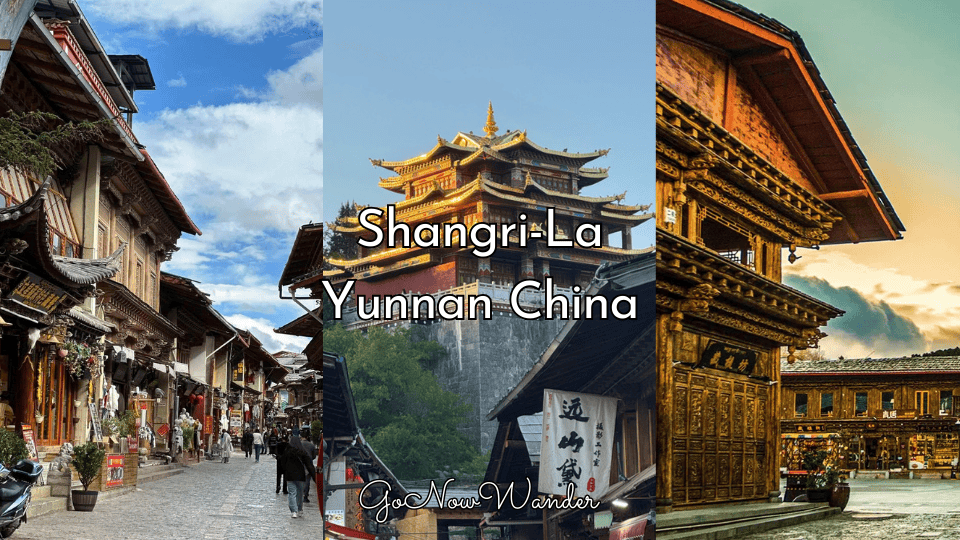
Destination 5 | Shangri-La
The Tibetan Heart of Yunnan
1. Destination Highlights (Atmosphere & Positioning)
Shangri-La is where Yunnan turns distinctly Tibetan. Prayer flags replace shop signs, the air thins, and travel slows into something quieter and more inward.
This stop is not about checking sights off a list. It’s about cultural depth, altitude adaptation, and preparing both body and mind for the highest landscapes of the journey.
2. Scenery | Best Season | Must-Do Experiences
Scenery
-
High-altitude grasslands and open skies
-
Tibetan monasteries, white stupas, and prayer wheels
-
Rolling hills framed by distant snow peaks
Best Time to Visit
-
May–June: fresh grasslands, moderate weather
-
September–October: golden colors, best visibility
-
Winter is cold but uncrowded; summer afternoons can bring rain
Must-Do Experiences
-
Visit a Tibetan monastery in the morning
-
Slow walks in Dukezong Old Town
-
Short grassland walks for altitude acclimatization
3. Transportation (Clear & Practical)
Getting to Shangri-La
From Lijiang
-
Car or hotel-arranged transfer: ~4–5 hours (recommended)
-
Long-distance bus: cheaper but less comfortable
💡 For international visitors, pre-arranged cars via hotels or trusted platforms are strongly recommended for comfort and flexibility.
4. Cultural & Human Touch
-
Predominantly Tibetan culture
-
Daily life shaped by Buddhism, prayer rituals, and pastoral traditions
-
Monasteries are active religious centers, not museums
Respectful behavior matters: modest clothing, quiet voices, and no photography without permission.
5. What to Eat in Shangri-La (3–5 Items)
-
Tibetan yak hotpot
-
Barley-based dishes (tsampa-style foods)
-
Butter tea
-
Yogurt made from yak milk
-
Simple noodle soups for altitude-friendly meals
6. Where to Stay
Luxury
-
Songtsam Linka Shangri-La (best for views and comfort)
Mid-range
-
Tibetan-style boutique hotels near Dukezong Old Town
Budget
-
Family-run guesthouses (warm hospitality, basic comfort)
📍 Stay close to the old town but avoid high-noise streets.
7. How Long to Stay & Who It’s For
Recommended Stay
-
2 days / 2 nights
Best For
-
First-time high-altitude travelers
-
Cultural travelers
-
Anyone heading onward to higher or more remote regions
8. What to Do in Shangri-La (Practical & Executable Guide)
Shangri-La is not a place to rush. The best way to experience it is by slowing down, choosing fewer sights, and letting altitude and culture set the rhythm.
1). Day-by-Day Playing Logic (2 Days Ideal)
Day 1|Arrival + Gentle Acclimatization
Focus: adapt to altitude, no heavy sightseeing
-
Check in, rest, hydrate
-
Light walk in Dukezong Old Town
-
Walk clockwise around the giant prayer wheel
-
Sunset is the best time, soft light and fewer crowds
-
-
Simple dinner near your hotel
-
Early night
🚫 Avoid temples, stairs, or long walks on arrival day.
Day 2|Monastery + Grasslands
Focus: culture + open landscapes
Morning
-
Visit Songzanlin Monastery (2–3 hours)
-
Go early (8–9 am) for fewer tour groups
-
Walk slowly, take breaks
-
Dress modestly, no loud conversation
-
Lunch
-
Tibetan or simple Chinese food nearby
Afternoon
Choose one of the following:
-
Option A: Napa Lake Grasslands
-
Easy walk, wide views
-
Best for photography and breathing space
-
-
Option B: Small village visit outside town
-
Arrange a driver via hotel
-
Short walks only, no trekking needed
-
Return to hotel before evening chill.
2). Key Places & How to Play Them
Songzanlin Monastery
-
Time needed: 2–3 hours
-
How to visit:
-
Taxi or car (15–20 min from town)
-
Walk clockwise
-
Sit quietly; observation matters more than photos
-
Dukezong Old Town
-
Best time: late afternoon to sunset
-
What to do:
-
No shopping rush
-
Walk, watch, photograph
-
Join locals spinning prayer wheels
-
Grasslands (Napa Lake area)
-
Best light: late afternoon
-
No hiking required
-
Windy, bring layers
3). Transportation Inside Shangri-La
-
Taxi: easy, affordable inside city
-
Private car: best for grasslands or villages
-
Walking: only short distances due to altitude
💡 Ask your hotel to arrange cars. English-speaking drivers are common in better hotels.
4). What NOT to Do in Shangri-La
-
❌ Overpack your schedule
-
❌ Drink alcohol on first day
-
❌ Attempt strenuous hikes
-
❌ Treat monasteries as photo-only spots
This is a place for observation, not conquest.
5). Best Photography Strategy
-
Morning: monastery exteriors
-
Afternoon: grasslands
-
Sunset: Dukezong rooftops
-
Avoid midday harsh light
6). Who Will Enjoy Shangri-La Most
-
Travelers curious about Tibetan culture
-
First-time high-altitude visitors
-
Photographers seeking atmosphere, not action
-
Anyone transitioning to or from higher regions
7). How Shangri-La Fits the Bigger Route
Function-wise, Shangri-La is:
-
A cultural anchor
-
A high-altitude adaptation stop
-
A mental reset before more emotional or remote landscapes
You don’t “play” Shangri-La.
You settle into it.
9. Travel Budget Estimate (Per Day, Per Person)
-
Accommodation: 350–1,000 RMB
-
Food: 100–150 RMB
-
Transport & local rides: 100–200 RMB
-
Monastery entrance fees: 75–100 RMB
Estimated Daily Total: 700–1,400 RMB
10. Important Notes (Altitude & Etiquette)
-
Altitude: ~3,200 m
-
Move slowly, hydrate, avoid alcohol on day one
-
Sunscreen and lip balm are essential
-
Always walk clockwise around prayer wheels
11. Best Photography Spots
-
Songzanlin Monastery at sunrise
-
Grasslands outside the city
-
Dukezong Old Town rooftops at golden hour
12. Route Connections
-
Next: Shangri-La → Lugu Lake (emotional reset, lower pace)
-
Alternative: Extend north toward Meili Snow Mountain (advanced route)
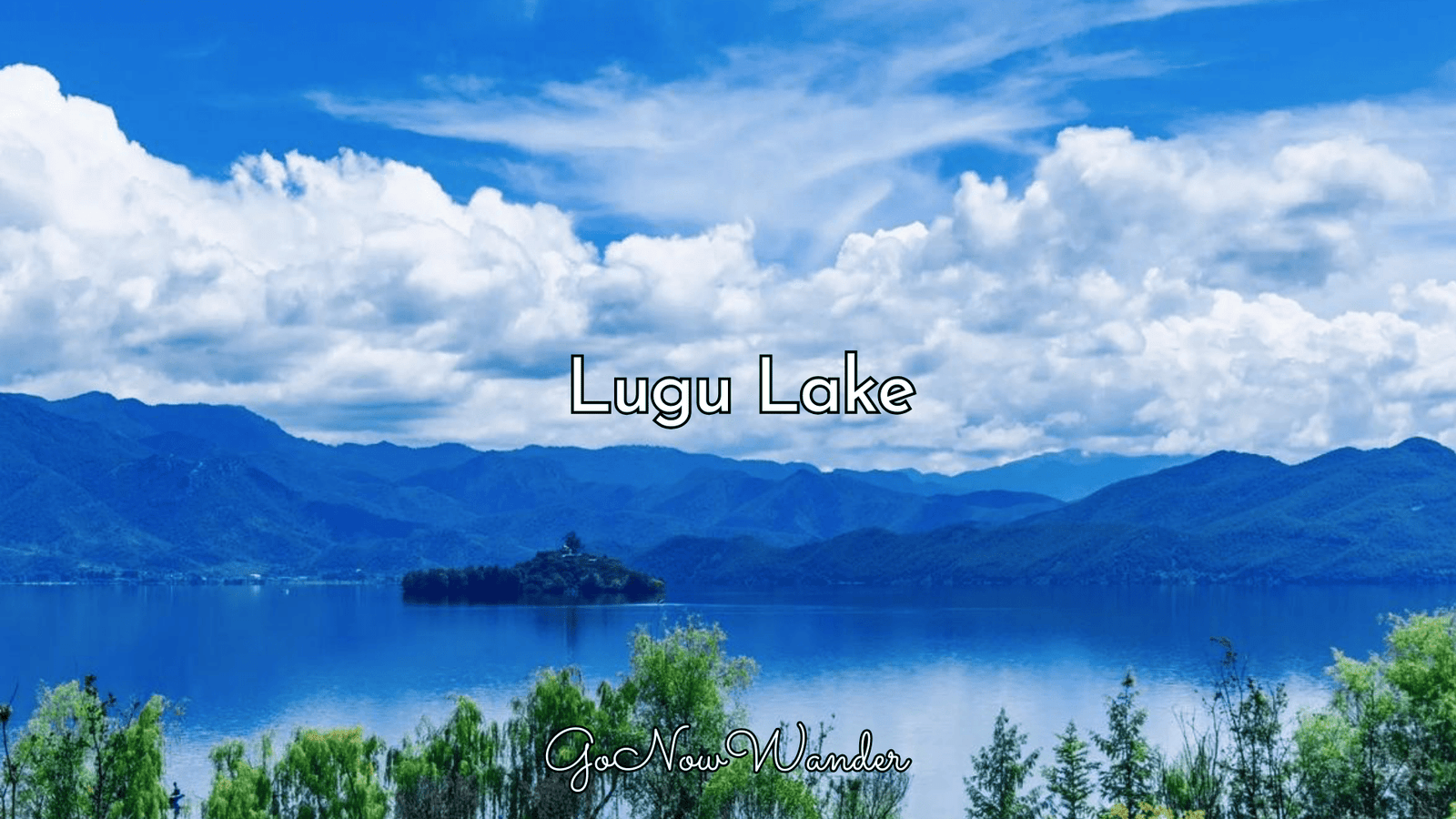
Destination 6 | Lugu Lake – Emotional Healing by Still Water
Lugu Lake is not about ticking off attractions. It’s about quiet mornings, long pauses, and the kind of stillness that slowly resets your inner rhythm. After high-altitude regions and cultural intensity, this is where the journey softens.
Destination Highlights (Atmosphere & Positioning)
Lugu Lake sits on the border of Yunnan and Sichuan, wrapped in mountains and silence. It is a place where water calms emotion, time stretches gently, and travelers finally stop performing their trip.
How to Get There
From Shangri-La
-
Private car: ~5–6 hours (recommended)
-
Mountain roads, scenic but winding
From Lijiang
-
Car or shuttle bus: ~4–5 hours
-
Most common access point
💡 Tip: Lugu Lake is best reached by private transfer, arranged via your hotel in Shangri-La or Lijiang.
Landscape | Best Season | Must-Do Experiences (How to Actually Do It)
Landscape – What You’ll Actually See on the Ground
Lugu Lake is a high-altitude freshwater lake with extremely calm water, especially in the early morning. The shoreline alternates between:
-
Wooden docks and stone paths
-
Small fishing villages
-
Open water with island silhouettes
There are no dramatic cliffs or peaks, which is exactly why the lake feels emotionally soothing. The scenery works best when you move slowly and stay close to the water.
Best Time to Visit – When It Works Best in Practice
March–June
-
Mild temperatures (10–20°C)
-
Clear mornings, light mist
-
Fewer tour groups
-
Best for sunrise photography and cycling
September–November
-
Crisp air, strong light
-
Calm water reflections
-
Ideal for photography and slow travel
-
Nights are cold, pack layers
July–August (only if necessary)
-
Lush greenery but frequent rain
-
More tourists, especially in Luoshui Village
-
Sunrise still works, afternoons often cloudy
👉 If your goal is emotional healing or photography, avoid peak summer whenever possible.
Must-Do Experiences – Step-by-Step
1. Sunrise by the Lake (This Is Non-Negotiable)
How to do it
-
Wake up around 6:00–6:30 am
-
Walk directly from your hotel to the nearest lakeshore
-
No need to go far. The best light happens everywhere at once
What to expect
-
Still water
-
Mist rising slowly
-
Soft pink and blue light
-
Almost complete silence
📍 Best areas:
-
Eastern shore
-
Small docks near your guesthouse
-
Avoid crowded viewing platforms
⏱ Time needed: 30–60 minutes
🎯 Why it matters: This is the emotional core of Lugu Lake.
2. Slow Cycling Around the Lakeshore (Partial Loop)
Do NOT cycle the full lake unless you’re very fit.
How to do it
-
Rent a bike from your guesthouse or nearby rental shops
-
Choose a 10–20 km section, not the full 70+ km loop
-
Start late morning or early afternoon
Recommended route
-
Luoshui Village → nearby lakeside villages
-
Flat, scenic, low traffic
What you’ll see
-
Changing lake colors
-
Local life
-
Quiet stretches with no tourists
⏱ Time needed: 2–3 hours
🎯 Why it matters: Movement without pressure. You see more by going less.
3. Sitting by the Water (Yes, This Is an Activity)
This sounds vague, but it’s intentional.
How to do it
-
Pick a spot by the lake
-
Sit for at least 20–30 minutes
-
No phone, no camera for the first 10 minutes
Best moments
-
Mid-morning after sunrise
-
Late afternoon before sunset
🎯 Why it matters: Lugu Lake works on your nervous system. Stillness is the point.
Optional Add-Ons (Only If You Have Extra Energy)
-
Short boat ride to a small island (avoid peak hours)
-
Visit a quiet Mosuo village with your host’s recommendation
-
Sunset walk instead of chasing viewpoints
Skip:
-
Large group performances
-
Overcrowded cultural shows
-
Rushed day tours
How Many Days You Actually Need
-
1 night: Too rushed, not recommended
-
2 nights: Ideal minimum
-
3 nights: Best for emotional reset and photography
If you’re following a 14-day Yunnan route, 2 nights is the sweet spot.
One Key Rule for Lugu Lake
Do fewer things.
Stay closer to the water.
Let silence do the work.
This is not a place to “see more”.
It’s where the journey finally settles.
What to Eat (3–5 Local Foods)
-
Grilled lake fish
-
Buckwheat pancakes
-
Smoked pork
-
Mushroom hotpot
-
Simple Tibetan-style butter tea (optional)
Food here is rustic, comforting, and unpretentious.
Where to Stay
Luxury
-
Boutique lakeside retreats with private balconies
-
Ideal for couples and solo travelers seeking silence
Mid-Range
-
Well-run guesthouses near Luoshui Village
-
Clean, scenic, good service
Budget
-
Family-run inns slightly away from the lake
-
Quiet, warm, and affordable
💡 Choose lakeside if budget allows. Waking up to water matters here.
Budget Reference (Per Day)
-
Budget: USD 40–60
-
Mid-range: USD 70–120
-
Boutique stay: USD 150+
Important Notes
-
Elevation: ~2,685 m, still high but gentler than Shangri-La
-
Nights are cold year-round
-
Roads are winding, motion sickness pills recommended
-
Respect local customs and personal boundaries
Best Photography Spots
-
Sunrise along the eastern shore
-
Misty mornings near small docks
-
Still reflections on windless afternoons
Avoid drones unless clearly permitted.
Route Combinations
-
Shangri-La → Lugu Lake → Lijiang (most common & smooth)
-
Lijiang → Lugu Lake → Sichuan extension (for advanced travelers)
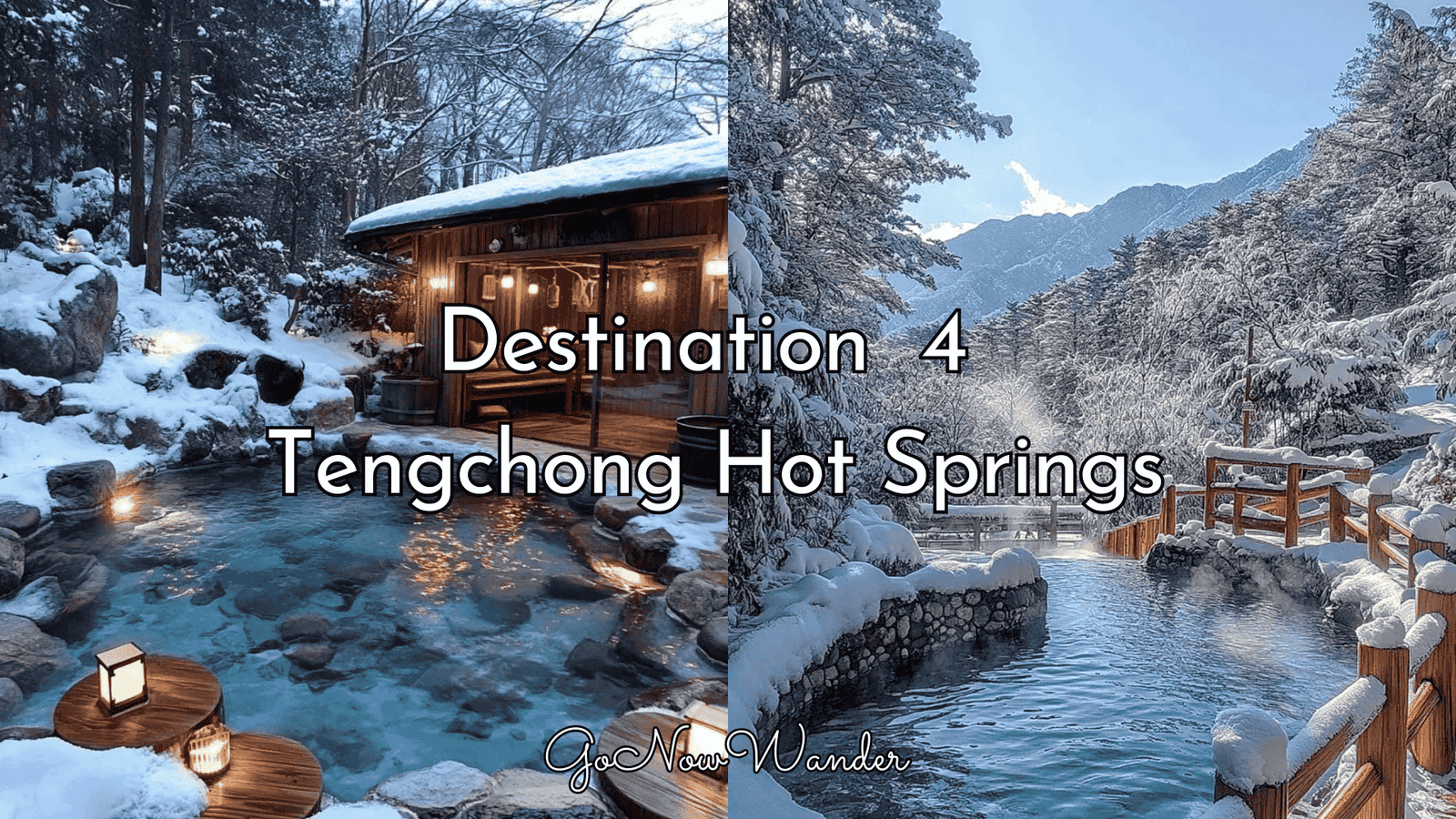
Destination 7 | Tengchong Hot Springs – A Physical Reset to End the Journey ♨️
Destination Highlights
Tengchong is where your Yunnan journey slows all the way down. After mountains, lakes, and long drives, this volcanic town offers deep physical recovery through hot springs, clean air, and an unhurried rhythm.
This is not sightseeing-heavy Yunnan. This is restorative Yunnan.
Landscape | Best Season | Must-Do Experiences
Landscape
-
Volcanic terrain, geothermal valleys
-
Forest-surrounded hot spring resorts
-
Light mist in the mornings, quiet evenings
Best Time to Visit
-
October–April: Ideal soaking weather, cool air, minimal rain
-
May–June: Lush greenery, fewer visitors
-
July–September: Hot springs still enjoyable, but expect rain
Must-Do Experiences
-
Long hot spring soaks (daytime + night)
-
Slow walks through volcanic parks
-
Doing nothing between soaking sessions
Transportation – How to Get There (Practically)
From Lugu Lake
-
Private transfer recommended: 6–7 hours
-
Break the journey with lunch stops arranged by the driver
From Kunming
-
Flight to Tengchong Tuofeng Airport: ~1.5 hours
-
High-speed rail (partial) + car also possible but slower
International Visitor Tip
Choose hotels that offer airport pickup. It removes the final layer of travel fatigue.
Culture & Local Character
Tengchong sits near the China–Myanmar border and has a long history as a trading and migration town. The culture here is:
-
Calm
-
Practical
-
Unpretentious
Locals value wellness, routine, and slow living. No performance culture. No pressure.
Must-Try Local Food (Light & Restorative)
-
Tengchong rice noodles (清淡版本)
-
Mushroom hot pot (seasonal, gentle flavors)
-
Steamed local vegetables
-
Fresh soy products
-
Mild herbal soups
👉 Avoid heavy, spicy meals before hot spring sessions.
Hotel Recommendations (Hot Spring–Focused)
Luxury
-
Angsana Tengchong – Private pools, forest setting
-
Banyan Tree Tengchong – Full wellness experience
Mid-Range
-
Hot spring boutique resorts near Heshun
-
Smaller resorts with semi-private pools
Budget
-
Local guesthouses with access to public hot springs
-
Stay near Heshun Ancient Town for walkability
Stay Duration & Ideal Travelers
Recommended stay: 2–3 nights
Best for:
-
Long-haul travelers
-
Couples
-
Anyone ending a physically demanding route
This is a closing chapter, not a transit stop.
Must-Do & Lesser-Known Experiences
Essential
-
One long daytime soak
-
One night soak under cooler air
Lesser-Known
-
Early morning soak (quietest, best for recovery)
-
Alternating hot springs with cold air walks
-
Light stretching between sessions
Skip:
-
Overcrowded public pools at peak hours
Budget Estimate (Per Day)
-
Accommodation: 400–1200 RMB
-
Meals: 100–200 RMB
-
Hot spring access: often included or 50–150 RMB
Practical Notes
-
Hydrate constantly
-
Avoid alcohol before soaking
-
Do not soak longer than 15–20 minutes per session
-
Bring simple swimwear, flip-flops, light robe
Altitude is low here. Your body will finally relax.
Best Photography Spots
-
Steam rising at dawn inside hot spring resorts
-
Forest paths after rain
-
Quiet courtyards in Heshun Ancient Town
This is soft photography, not dramatic landscapes.
Route Combinations
-
Lugu Lake → Tengchong → Kunming (departure)
-
Shangri-La → Lugu Lake → Tengchong (wellness finish)
Why Tengchong Is the Perfect Ending
You don’t “do” Tengchong.
You recover in it.
After 14 days of movement, altitude, light, and emotion, this is where the body catches up with the journey.
A true ending should feel like exhale, not applause.
🌿 Affordable Hot Springs & Soaking Spots in Tengchong
Budget-Friendly Hot Springs
1️⃣ Local Springs in Dìrè Hot Spring Village – rustic, local vibe
A well-known budget hot spring area with basic public pools for soaking. In the surrounding villages, you can often find simple geothermal pools for as low as ~30–60 CNY (≈ 4–9 USD) — perfect for casual, no-frills soaking.
2️⃣ Tengchong Hot Spring Spa – public pools near Rehai
A classic local hot springs option that isn’t overly expensive, combining several hot pools in one place. This is a good choice if you want natural mineral hot spring water without resort prices.
3️⃣ Dongshan Hot Spring Village – very wallet-friendly soak
Locals love this hot spring village for its value: indoor pools start around ~40 CNY for a basic soak, and ~98 CNY gets you access to all the pools in the village. Water temperatures are usually around 40–45 °C, very comfortable for long soaks. There are also simple extras like foot massages.
4️⃣ Rehai Hot Springs (Thermal Sea Area) – classic geothermal soak
Part of the larger geothermal area around Rehai, this spot combines a hot spring soak with a broader volcanic landscape. Tickets are still modest (often ~50–70 CNY) and the environment feels naturally therapeutic without resort pricing.
🛏️ Budget-Friendly Hot Spring–Adjacent Hotels & Inns
Here are some good value options where you can soak either in public thermal facilities or easily walk/taxi to nearby hot springs — perfect as the final restorative stop in your 2-week Yunnan itinerary:
Economical Choices (Great Value)
-
Bodao Hot Spring Resort – Affordable hot spring-style hotel close to public springs, comfortable and clean.
-
Tengchong East Lake Thermal Spa Hotel – Budget hotel with spa facilities and easy access to hot spring spots.
-
Tengchong Budu Hot Spring Resort Hotel – Good balance of cost and comfort for budget travelers.
-
Tengchong Cloud free time panoramic hot Spring Resort inn – Cozy inn with local ambiance and access to hot springs.
-
Tengchong Daina Huaxi Hot Spring Hotel – Another solid budget option, especially for shorter stays.
Mid-Range Good Values
-
Tengchong Yun Qi Shu Hot Spring Resort Hotel – A well-reviewed mid-range choice with nicer facilities.
-
Tengchong Boyun Hot Spring Inn – Friendly guesthouse style with access to soaking areas.
-
Tengchong Heshun Wenlan Xiangchi Resort Hot Spring Hotel and Teng Chong Lanshu Star Forest Hot Springs Resort – Heshun-area stays with a calm vibe and access to thermal facilities.
Local Classic with Hot Springs
-
Angsana Tengchong Hot Spring Village – A slightly higher-end hot spring base if you want comfort and mineral pools, but still more affordable than luxury spa resorts.
-
Banyan Tree Tengchong – Premium choice (great if your budget allows), though not the lowest price.
🗺️ Practical Tips for Budget Hot Springs
💡 How to keep costs down:
-
Visit Dìrè/ Dongshan hot springs in the morning or weekday — local spots are quieter and cheaper then.
-
Many budget hotels and guesthouses can arrange discounted passes to nearby springs — always ask at check-in.
-
Bring your own towel and flip-flops to avoid rental fees at public pools.
📍 Budget Range (Approx):
-
Public / Local pools: 30–100 CNY per soak session
-
Budget hotel with hot spring access: 300–700 CNY per night (depending on season)
Route Tailoring Suggestions (Including Xishuangbanna)
⏱ 10–12 Days – Classic Exploration Line
Kunming → Xishuangbanna → Dali → Lijiang → Shangri-La
🌴 Relaxed / Wellness-Focused Line
Kunming → Xishuangbanna → Dali → Lugu Lake → Tengchong
🏔 High-Altitude / Photography Line
Kunming → Dali → Lijiang → Shangri-La → Lugu Lake
Each route can be adapted to personal interests, photography priorities, or pace preferences. Shorter stays still capture highlights, while longer stays allow deep exploration, cultural immersion, and optimal light for photography.
Is This 14-Day Yunnan Route Right for First-Time Visitors?
✔ Yes, if you:
-
Want a comprehensive introduction to Yunnan’s geography, culture, and scenery
-
Prefer a structured yet flexible itinerary
-
Are comfortable with high-altitude travel and occasional long transfers
-
Appreciate mixing wellness, culture, photography, and adventure
❌ Maybe Not, if you:
-
Prefer short trips under one week
-
Are very sensitive to high-altitude effects
-
Want only city sightseeing without rural or remote exploration
Alternative Options:
-
Focus on lower-altitude destinations like Dali, Xishuangbanna, and Tengchong for a 7–10 day wellness trip
-
Skip Lugu Lake or Shangri-La if you prefer a faster-paced urban + lake combo
Preparation Guidance:
-
Build in rest days after high-altitude stops (Lijiang → Shangri-La)
-
Prepare for variable weather: layering, sun protection, rain gear
Pre-Trip Essentials Checklist
Photography / Exploration Gear:
-
Must-bring: Camera, lenses, tripod, drone (if permitted), portable chargers, waterproof backpack
-
Optional: Filters, lens hood, extra batteries, portable shade
-
Avoid: Heavy luggage, unnecessary bulky items
Clothing & Health:
-
Layered clothing for highlands and tropics
-
Comfortable walking shoes for villages, lakesides, and terraces
-
Sun protection: hat, sunglasses, sunscreen
-
Personal medication, altitude sickness remedies
Travel Essentials:
-
Passport & visa ready
-
Domestic flights, trains, and intercity bus bookings confirmed
-
Mobile SIM or roaming plan for navigation and translation apps
Conclusion | Why 14 Days Fits Yunnan Perfectly
This 14-day itinerary is designed to capture Yunnan in its full three-dimensional spectrum:
-
Lowlands & Rainforests: Xishuangbanna’s tropical immersion
-
Lakes & Wellness: Dali, Lugu Lake, and Tengchong hot springs
-
Highlands & Culture: Lijiang and Shangri-La’s ancient towns, snow mountains, and Tibetan heritage
Why 14 Days Works:
-
Gives time to adjust to altitude gradually
-
Allows cultural and natural exploration without rush
-
Offers photography opportunities at sunrise, sunset, and golden hour
-
Balances active adventure and restorative downtime
In short, 14 days lets you experience Yunnan deeply without feeling like a checklist. You leave with a layered understanding of its landscapes, people, and stories — a truly immersive journey.